

7 Best places to visit in Vietnam in January
January is one of the most rewarding months to visit Vietnam when you choose destinations according to the region. Southern Vietnam is in its dry season, making Ho Chi Minh City, the Mekong Delta and Phu Quoc strong choices for sunshine and beach time. Northern Vietnam is much cooler, with winter conditions in Hanoi, Sapa and Ha Giang and seasonal plum blossoms around Moc Chau, while Central Vietnam becomes progressively drier after the wetter final months of the year.
For travelers planning Vietnam in January 2027, seasonal highlights include the Vietnam Trail Marathon in Moc Chau on January 16, Hoi An’s monthly lantern night on January 21 and the growing pre-Tet atmosphere toward the end of the month. Tet itself begins on February 6, 2027, so January visitors experience the preparations rather than the main holiday. Choose the south for the most reliable warm weather, the north for winter scenery and seasonal flowers, or Central Vietnam for comfortable cultural and heritage sightseeing.

Plum blossom season turns Moc Chau into one of Northern Vietnam’s most distinctive January landscapes.
Weather & Climate in Vietnam in January: North, Central and South
Vietnam’s long north-to-south geography creates very different January conditions. In general, Northern Vietnam is cool and relatively dry, Central Vietnam is transitioning out of its wetter season, and Southern Vietnam is warm and dry. Your packing list and itinerary should therefore be planned region by region.
Northern Vietnam is in winter in January, with cool temperatures, relatively low rainfall and frequent mist or cloud. Hanoi typically ranges around 14–20°C (57–68°F), while Sapa is much colder at roughly 4–16°C (39–60°F). Mountain areas such as Sapa and Ha Giang can experience frost during strong cold spells, and snow is possible at high elevations such as Fansipan, although it is rare and should never be expected as a guaranteed January attraction.
January is best suited to cultural sightseeing in Hanoi, cool-weather trekking and winter mountain scenery. Fog can reduce visibility in Sapa and Ha Giang, so allow some flexibility if viewpoints or mountain drives are priorities. Moc Chau offers another seasonal reason to head north: white plum blossoms often begin appearing from around mid-January, depending on the year’s weather. Pack warm layers, closed shoes and an outer jacket, especially for evenings and higher elevations.

Northern Vietnam can feel surprisingly cold in January, especially in Hanoi’s early mornings and the higher mountains.
January is a transition month in Central Vietnam as the heavy late-year rains gradually ease. Typical temperatures are around 18–23°C (64–74°F) in Hue, 19–24°C (67–76°F) in Da Nang and 19–25°C (67–77°F) in Hoi An. Hue can still receive rain, while Da Nang and Hoi An generally become drier as the month progresses, making late January more reliable for outdoor sightseeing than the beginning of the month.
The mild weather works particularly well for exploring Hue’s Imperial City, walking or cycling through Hoi An Ancient Town and visiting My Son Sanctuary without the intense heat of summer. However, January should be viewed primarily as a culture and heritage month rather than guaranteed beach weather; cloudy days, showers and cooler sea conditions remain possible. Pack light layers, comfortable walking shoes and a compact rain jacket or umbrella.
Southern Vietnam offers the country’s most reliable January weather. Ho Chi Minh City typically sees temperatures around 22–32°C (72–89°F) with relatively little rain, while the Mekong Delta is also firmly within its drier travel season. These conditions favor city sightseeing, Cu Chi excursions, cycling, river trips and visits to communities around destinations such as Ben Tre and Can Tho.
Phu Quoc is especially strong for a January beach stay, with temperatures around 25–28°C (77–83°F) and some of the island’s lowest rainfall of the year. January conditions are well suited to swimming, snorkeling, island-hopping and sunset cruises, making Southern Vietnam the safest choice for travelers whose priority is dependable tropical weather. Pack breathable clothing, swimwear, sunscreen, sunglasses and a hat.

January falls within Phu Quoc’s dry season, making the island one of Vietnam’s most reliable winter beach destinations.
Which Region of Vietnam Has the Best Weather in January?
For sunshine and beach weather, Southern Vietnam is the strongest overall choice in January. Phu Quoc, Ho Chi Minh City and the Mekong Delta experience the country’s most dependable dry-season conditions.
Choose Northern Vietnam instead if you prefer cool-weather sightseeing, misty mountain landscapes and seasonal flowers. January is especially interesting in Moc Chau, while Hanoi is comfortable for cultural exploration. Sapa and Ha Giang are rewarding for winter scenery but require warmer clothing and more flexibility because fog can obscure mountain views.
Central Vietnam sits between the two. Hue, Da Nang and Hoi An become progressively drier through January, so the second half of the month generally offers better odds for outdoor sightseeing than the beginning. The region is a good choice for culture and heritage, but it should not be marketed as guaranteed tropical beach weather in January.

January weather differs sharply between Hanoi, Central Vietnam and Ho Chi Minh City, which is why itineraries should be planned region by region.
Festivals & Cultural Events in Vietnam in January 2027
January 2027 is culturally interesting, but travelers need to distinguish between events that actually take place in January and celebrations connected with Tet that happen in February. The first day of Tet 2027 falls on February 6, so January visitors will mainly experience the build-up to Vietnamese New Year rather than the national holiday itself.
The month’s strongest seasonal highlights include the Vietnam Trail Marathon among Moc Chau’s blossoming orchards, Hoi An’s monthly lantern night, the final activities of the Da Lat Flower Festival, and the beginning of Hanoi’s traditional pre-Tet flower-market period at the end of January.
Vietnam Trail Marathon in Moc Chau – January 16, 2027
Moc Chau has one of the clearest “why January?” reasons in Northern Vietnam. During this period, plum orchards begin turning white across the plateau, while tea hills remain green and the cool mountain weather is well suited to outdoor activities.
On Saturday, January 16, 2027, Moc Chau hosts the ninth edition of the Vietnam Trail Marathon. The event offers 5 km, 10 km, 21 km, 50 km and 70 km courses, taking runners through a mixture of orchards, tea plantations, mountain trails, villages and valleys.
Even travelers who are not participating in the race have a reason to consider Moc Chau around this period. The 5 km course begins at Na Ka Plum Valley, one of the area’s best-known blossom locations, while several longer courses pass through orchards and rural landscapes that are rarely seen on conventional sightseeing routes.
Plum blossom timing is affected by temperature and can vary from year to year, so visitors should not assume that every orchard will reach peak bloom on race weekend. Historically, however, mid-January through February is the key window for white plum blossoms around locations such as Na Ka Valley.
Travel tip: Moc Chau is roughly 180–200 km from Hanoi and the journey commonly takes around four hours by road. For photography, staying overnight is preferable to making a rushed day trip because early morning light and mist can completely change the appearance of the orchards.
Hoi An Lantern Festival – January 21, 2027
Hoi An’s lantern tradition is visible throughout the year, but the Ancient Town creates a more atmospheric setting on the 14th day of each lunar month, when electric lighting is reduced and traditional lanterns become the focus of the old streets and riverside.
In January 2027, the 14th day of the 12th lunar month falls on Thursday, January 21. Travelers who want to experience the monthly Hoi An Lantern Festival should therefore try to have at least one night in Hoi An around this date.
As evening approaches, the area around the Ancient Town and Hoai River becomes the focus of the experience. Visitors can walk through lantern-lit streets, watch the reflections from the river, listen to traditional performances when scheduled, or take a short sampan ride.
The January event also has a useful seasonal advantage: daytime temperatures are far cooler than in summer. Travelers can spend the afternoon exploring the historic merchant houses and temples before remaining in town after sunset without dealing with the intense heat of June, July or August.
Travel tip: Stay within walking distance of the Ancient Town if the lantern night is important to your itinerary. Arrive before sunset rather than entering the riverside area at the busiest point of the evening.

Hoi An’s January lantern night falls on January 21 in 2027, the 14th day of the 12th lunar month.
Pre-Tet Atmosphere & Kitchen Gods Day – January 30, 2027
Tet does not take place in January 2027, but the final days of the month are when travelers begin to see its preparations clearly. Vietnamese New Year falls on February 6, and January 30 corresponds to the 23rd day of the 12th lunar month, traditionally associated with the Kitchen Gods, or Ong Cong Ong Tao.
For Vietnamese families, this period marks an important stage in the countdown to Tet. Homes are cleaned, ancestral spaces are prepared, seasonal food shopping increases, and decorative plants begin appearing in houses, businesses and public spaces.
In Hanoi, one of the most interesting places to observe this seasonal transition is the traditional Hang Luoc Flower Market in the Old Quarter. The market traditionally operates only once each year, from the 23rd to the 30th day of the final lunar month. Because the 23rd day falls on January 30 in 2027, travelers arriving at the end of January can catch the beginning of the market season.
Peach blossom branches, kumquat trees and traditional flowers fill the streets around Hang Luoc, Hang Ma and neighboring lanes. Unlike a standard city flower market, this is closely tied to Hanoi’s Tet traditions and provides a much more specific January experience than simply describing the city as “festive.”
Travelers continuing into early February should plan transport carefully. As Tet approaches, domestic demand for flights, trains and long-distance buses rises sharply because millions of Vietnamese travel to reunite with their families.
For January-only visitors: the last two days of the month are significantly more relevant to Tet culture than early January. If experiencing the pre-Tet atmosphere is important, schedule Hanoi toward the end of your trip rather than the beginning.
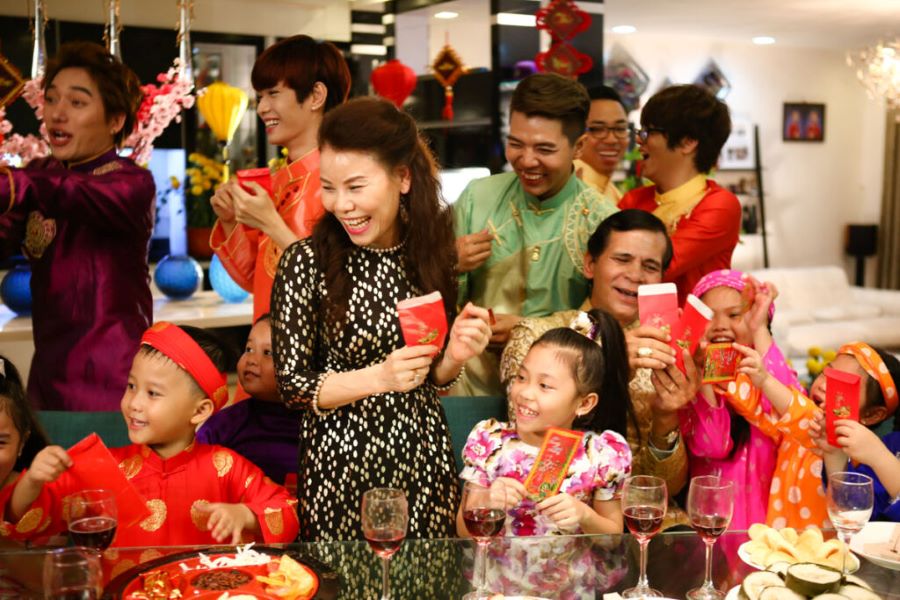
Tet falls on February 6 in 2027, but preparations become increasingly visible across Vietnam during the final days of January.
Da Lat Flower Festival Finale & January Flower Season
Travelers arriving in Vietnam at the very beginning of January 2027 have another time-specific option in Da Lat. The official program surrounding the 11th Da Lat – Lam Dong Flower Festival 2026 extends through January 5, 2027, following its main New Year and closing program on December 31.
This means travelers spending the New Year period in Da Lat may still encounter flower installations and activities connected with the festival during the first days of January. After the official festival period ends, the city’s gardens, flower-growing areas and cool highland climate remain worthwhile reasons to stay for 2 or 3 days in Da Lat.
January can also overlap with the season for Da Lat’s pink mai anh dao blossoms. These trees are associated with the transition into spring and can create impressive pink displays around parts of the city and surrounding highlands. However, flowering depends heavily on temperature, rainfall and the preceding weeks of weather, so exact peak-bloom dates should never be guaranteed months in advance.
If cherry blossoms are the main reason for visiting, check local bloom reports shortly before your trip rather than relying on a fixed annual date. Locations around central Da Lat and higher areas such as Cau Dat may flower at different times.
Travel tip: Da Lat mornings and evenings are much cooler than Southern Vietnam’s coastal and lowland destinations. Bring a light jacket even if your wider itinerary includes warm-weather stops such as Ho Chi Minh City or Phu Quoc.
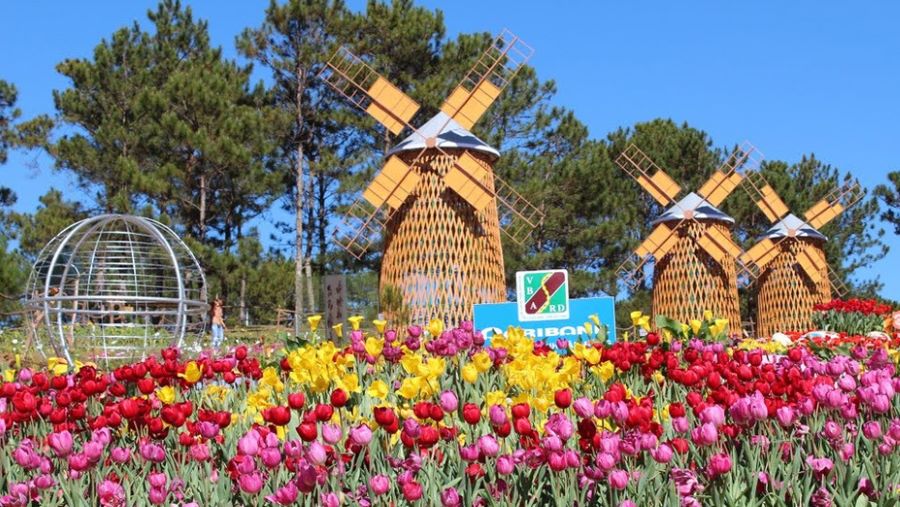
Da Lat’s flower landscapes add another seasonal contrast to a January journey through Vietnam.
Places to Visit in Vietnam in January
The best places to visit in Vietnam in January depend heavily on what you want from the trip. Northern Vietnam offers cool winter scenery and mountain experiences, Central Vietnam is increasingly suitable for cultural sightseeing as the rains ease, while the south provides the country’s most reliable sunshine and beach weather. The destinations below stand out because each has a specific seasonal reason to visit in January rather than simply being popular year-round.
1. Sapa: Winter Scenery and a Rare Chance of Snow
January gives Sapa a distinctly wintry character rather than the green rice-terrace scenery seen later in the year. Vietnam Tourism describes November to March as chilly, while mist and low cloud frequently hide parts of the valleys. Fansipan can be especially cold, with frost and occasional snow during strong cold spells, but snowfall is rare and should never be the main reason to plan a trip. The rice terraces are also between major growing seasons, so expect muted winter fields rather than harvest colors.
Visit Sapa in January for cool-weather trekking, ethnic villages and atmospheric mountain scenery. Cat Cat and Ta Phin are easier options, while longer hikes require warm layers and good footwear. The Fansipan cable car offers quick access to high elevation, but summit views depend heavily on cloud conditions. Allow two or three nights so one foggy day does not define the entire visit.

Snow can occasionally cover Fansipan during severe winter cold spells, but it is never guaranteed on a January trip.
2. Ha Long Bay
January gives Ha Long Bay a more atmospheric look than the bright summer postcards many travelers expect. Vietnam Tourism notes that mist commonly drifts across the bay from December to March, softening the limestone karsts and creating dramatic winter views. Typical January temperatures are around 14–20°C (57–68°F), so the deck can feel cold when the wind picks up. Rain is generally lighter than during the summer monsoon, but cloudy or foggy conditions can reduce long-distance visibility.
An overnight cruise is usually more rewarding than a rushed day trip because it gives you time for caves, short kayak excursions, sunset and early-morning scenery. Kayaking may depend on weather and cruise operations, so keep the schedule flexible. January suits travelers who value peaceful landscapes and cooler sightseeing weather more than swimming. A light jacket or windproof layer is essential, especially on deck after sunset.
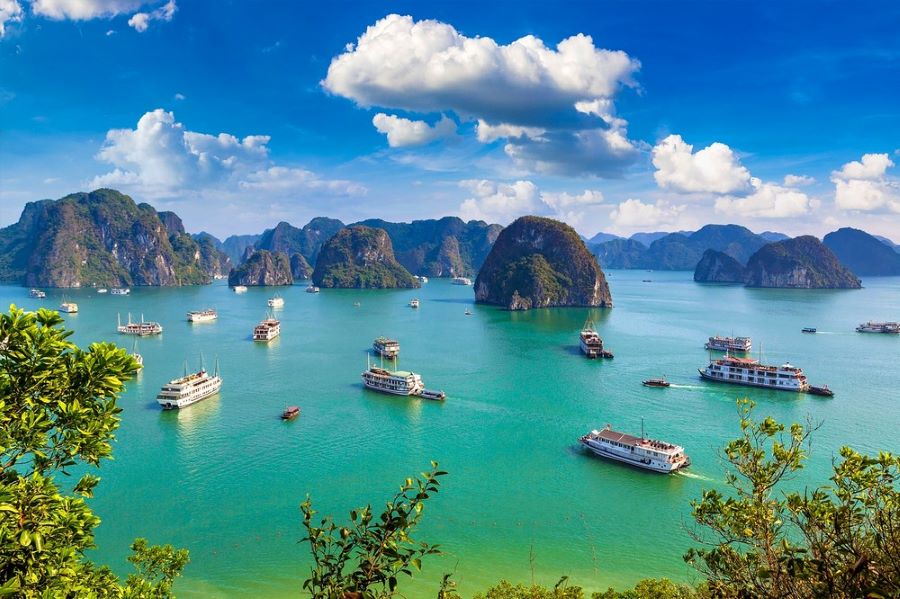
Winter mist often drifts through Ha Long Bay from December to March, creating a softer and more atmospheric seascape.
3. Hanoi: Cool Weather and a Growing Pre-Tet Atmosphere
January is Hanoi‘s coldest month on average, with typical temperatures around 14–20°C (57–68°F) and occasional colder spells. The weather is relatively dry compared with summer, yet mist, low cloud and damp northeasterly winds can make mornings feel colder than the thermometer suggests. These conditions suit long walks through the Old Quarter, Hoan Kiem Lake and the French Quarter, followed by indoor stops such as the Temple of Literature, museums or a traditional water-puppet performance.
Late January 2027 adds a seasonal reason to stay in the capital. Tet begins on February 6, so the final days of January bring visible preparations rather than the holiday itself. From January 30, the traditional Hang Luoc flower-market period begins, with peach blossoms, kumquat trees and Tet decorations appearing around the Old Quarter. Travelers interested in local culture should place Hanoi near the end of a January itinerary.

January’s cooler weather makes walking through Hanoi’s Old Quarter more comfortable than during the hot summer months.
4. Hoi An
January is Hoi An‘s coolest month, with typical temperatures around 19–25°C (67–77°F), and rainfall generally decreases as the month progresses. It is still the tail end of Central Vietnam’s wetter season, so early January can bring grey skies or showers. The mild temperatures are excellent for exploring the UNESCO-listed Ancient Town on foot or by bicycle, visiting heritage houses and assembly halls, or taking a day trip to nearby My Son Sanctuary without the intense heat of late spring and summer.
For January 2027, the strongest date-specific reason to visit is the monthly Hoi An Lantern Festival on January 21, the 14th day of the lunar month. Parts of the old town reduce electric lighting so traditional lanterns dominate the streets and riverfront. Stay overnight rather than visiting on a day trip, and treat An Bang Beach as an optional stop rather than the main purpose of a January stay.

January’s cooler temperatures make Hoi An especially comfortable for walking, cycling and evening exploration.
5. Mekong Delta
January falls in the Mekong Delta‘s dry season, making river travel easier and more comfortable than during the wetter middle months of the year. Can Tho, Ben Tre and nearby provinces usually see warm days, lower rainfall and good conditions for boat trips, cycling and village visits. In Can Tho, December and January are among the cooler months, while the approach to Tet also brings more flowers and seasonal activity to markets and riverside communities.
Start early if Cai Rang Floating Market is part of your plan: activity is strongest around sunrise, and boats begin trading before most city attractions open. Beyond the market, small canals, fruit gardens, coconut-growing areas and family-run workshops give the Delta more depth than a single boat ride. January is especially suitable for travelers combining Ho Chi Minh City with one or two nights on Mekong Delta trips in Can Tho or Ben Tre before continuing to Phu Quoc.

6. Phu Quoc
January is one of the strongest months for a Phu Quoc beach stay. The island is in its dry season, with Vietnam Tourism describing October to March as the cooler, drier period and average temperatures hovering around 27°C (81°F). Clearer skies and calmer conditions generally favor swimming, snorkeling, boat trips and time on beaches such as Long Beach or the southern shores. This makes Phu Quoc a useful warm-weather finish after a colder itinerary through Hanoi or Northern Vietnam.
Do not limit the island to resort time. January is also suitable for exploring fishing villages, pepper farms, fish-sauce producers and forest areas inside the UNESCO Biosphere Reserve. Snorkeling trips around the An Thoi Archipelago are a better seasonal fit than focusing on waterfalls, whose flow can be weaker in the dry season. Allow at least three nights if you want both beach time and a full-day Phu Quoc island or marine excursion.
7. Da Lat: Cherry Blossom Season
January brings some of Da Lat‘s coolest and driest weather, with typical nights around 11°C (52°F) and daytime highs near 21–22°C (70–72°F). The dry conditions favor walking, cycling, coffee-farm visits and day trips around the Central Highlands, but mornings and evenings can feel surprisingly cold compared with Ho Chi Minh City or Phu Quoc. Travelers arriving in the first days of January 2027 may also catch final activities linked to the 2026 Da Lat Flower Festival, which run through January 5.
The bigger seasonal attraction is mai anh dao, Da Lat’s pink cherry blossom. In 2026, local tourism authorities expected central areas to bloom from mid-January into early February, but flowering shifts each year with temperature and rainfall. For 2027, treat blossom dates as weather-dependent and check local updates shortly before travel. Central Da Lat and higher areas such as Cau Dat can also bloom at different times.

Da Lat’s mai anh dao usually brings pink spring color around January and February, although peak bloom changes with the weather each year.
Travel Tips for January in Vietnam
- What to pack: Warm layers and a proper jacket for Northern Vietnam, especially for Sapa, Ha Giang, and Fansipan, where January nights can be cold and mountain conditions may include fog or frost. Pack lighter layers with a compact raincoat for Hue, Da Nang, and Hoi An, where the late-year rains are easing but occasional showers are still possible. For Ho Chi Minh City, the Mekong Delta, and Phu Quoc, breathable clothing, swimwear, sunscreen, and a hat are more useful.
- Book early: January falls within the October-April peak period for Ha Long Bay cruises, so popular overnight boats should be reserved ahead. Booking becomes even more important toward the end of January 2027 as Vietnam approaches Tet on February 6. Domestic flights, trains, and long-distance buses on major routes can become harder to secure as Vietnamese travelers begin heading home for the holiday.
- Getting around: Domestic flights remain the most efficient way to connect Northern, Central, and Southern Vietnam. The overnight train between Hanoi and Lao Cai is an alternative for travelers heading toward Sapa, while private cars work well for regional journeys such as Hanoi-Moc Chau or Hue-Da Nang-Hoi An. In the Mekong Delta, combine road transfers with local boat trips rather than relying on waterways for every stage of the journey.
- Looking ahead: Tet 2027 falls on February 6, with Vietnamese New Year’s Eve on February 5. Travelers visiting only in January will not be in Vietnam during Tet itself, but the pre-Tet atmosphere becomes increasingly visible toward the end of the month. If your itinerary continues into early February, secure transport and accommodation well in advance rather than waiting until arrival.
Plan Your Vietnam Trip with Paradise Travel
Paradise Travel is a licensed international tour operator, headquartered in Hanoi and running tours since 2005. The company holds the TripAdvisor Travelers’ Choice Award for 2018, 2019, and 2024. Our local consultants can help you time a January trip around Moc Chau’s white plum blossom season and Vietnam Trail Marathon, Hoi An’s January 21 Lantern Festival, or the dry season’s reliable beach conditions in Phu Quoc, whichever combination fits your schedule.
Whether you’re arranging a North Vietnam tour through Hanoi, Sapa, Ha Long Bay, and Moc Chau’s January blossom landscapes, a Central Vietnam tour timed around Hoi An’s January lantern night and the improving weather in Hue and Da Nang, or a South Vietnam tour combining the Mekong Delta with Phu Quoc’s dry-season beaches, Paradise Travel’s team can build the trip around your schedule and budget.
Get in touch with our team for personalized trip planning.

Address: 81 Alley 12 Dao Tan Street, Giang Vo Ward, Hanoi, Vietnam
Hotline: 0989391076
Email: sales@vietnamparadisetravel.com
FAQs

Start planning your tailor-made Southeast Asia tour by contacting one of our specialists…


Thank you for the information above, quite helpful as I am planning a holiday with my daughter in End Jan-early Feb. Appreciate if you could advise recommendations for offbeat destinations between Da Nang and Hanoi. Places that are are close to nature, less populated, bring peace, connect with locals and culture, involve a bit of adventure, and make it best holiday. Please cover any local interesting festivals, events that should not be missed – I see Tet and Lantern festivals and will surely witness. Prefer it to be a backpacking trip avoiding the modern cities.
Dear Ritesh,
We are glad it’s helping with your trip with your daughter! Tet 2026 will be on 17th February, hope you have a great time in VN. For offbeat spots focusing on nature, peace, local culture and adventure, here’s our suggestions:
1. Phong Nha-Ke Bang National Park (Quang Binh): Here you will have hiking trips to explore the peaceful caves and jungles and leisurely boat trips along the river overlooking the majestic mountains.
2. Pu Luong Nature Reserve (Thanh Hoa): Most of the landscape here is terraced fields and majestic mountains. You can trek through the forest with streams flowing through, to Thai villages to join a brocade weaving class, to join traditional Xoe dances, and to dine with locals to immerse yourself in the culture. Stay at ecolodges to enjoy the scenery and fresh air !
3. Mai Chau Valley (Hoa Binh): This is a mountainous valley with beautiful landscapes with peaceful rice fields, traditional stilt houses and friendly local communities. The landscape here is very peaceful, suitable for a cycling trip to explore rural life in Vietnam (especially in Ban Lac). In Mai Chau, you can stay overnight in a traditional stilt house, dine with the locals, and visit the bustling ethnic market during Tet
4. Ba Be National Park (Bac Kan): This place will be more wild, with the main landscape being a giant wild lake in the middle of the forest. In Ba Be, you can kayak or hike to nearby Tay villages.
Above are some offbeat destinations that we think you should visit on your trip. Hopefully, the trip will connect your soul and bring you interesting cultural and natural experiences.
If you need to design a complete travel package (including accommodations, meals, on-site transportation, and a tour guide knowledgeable about local culture), we invite you to refer to our ecotourism packages, or email sales@vietnamparadisetravel.com for our consulting support. Once again, wishing you an inspiring trip in Vietnam!
Warm regards,
Jade
I will be in Vietnam at the end of January and stay till the beginning of February. I would like to do a section of the Ho Chi Minh trail. Is it possible to to a hike there for at least four days and three nights on my own? How safe is it to do it on my own and what would the approximate costs be?
Dear Mr. Jose Fray,
Thank you for your comment. We advise that you should hire a tour guide to accompany you if you want to trek around the Ho Chi Minh trail since the journey will be arduous. If you want to take a motorbike tour to the area, you can take a look at one of our tours for your reference: https://www.vietnamparadisetravel.com/tour/vietnam-motorbike-tour-ho-chi-minh-trail.
Should you have any concern, please do not hesitate to contact us.
Regards,
Chi Nguyen