

Muine Phan Thiet Travel Guide
 Mui Ne – Phan Thiet Overview
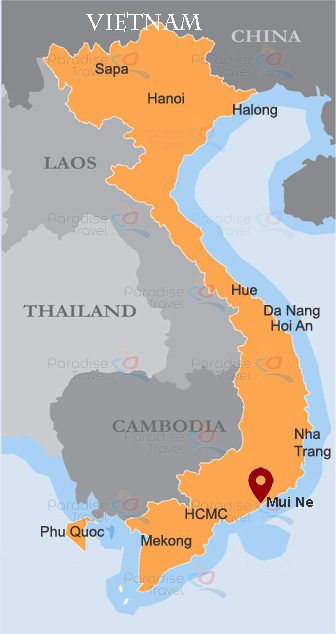 Mui Ne – Phan Thiet Overview
Mui Ne – Phan Thiet is one of Vietnam’s best-known coastal destinations, combining long sandy beaches, desert-like sand dunes, traditional fishing culture and distinctive South Central Vietnamese cuisine. Located on the southeastern coast of Vietnam, the destination offers a different experience from larger beach cities such as Nha Trang or Da Nang by combining seaside relaxation with outdoor adventures and local cultural exploration.
Following Vietnam’s 2025 administrative reorganization, Phan Thiet is now part of the expanded Lam Dong Province. The area remains an important coastal tourism center with a well-developed resort system, seafood industry and long-standing fishing traditions. For travelers, however, the familiar destination names remain more useful: Phan Thiet refers mainly to the urban area and surrounding attractions, while Mui Ne refers to the coastal resort zone northeast of the city.
Located approximately 200 km northeast of Ho Chi Minh City, Mui Ne can be reached by road in around 4 hours depending on traffic conditions. Its location makes it one of the easiest beach escapes from southern Vietnam, especially for travelers combining a city break in Ho Chi Minh City with a coastal holiday.
The destination is best known for its contrast between sea and sand. The coastline around Ham Tien and Mui Ne Beach provides resorts, restaurants and water sports, while the inland landscape features the famous White Sand Dunes (Bau Trang), Red Sand Dunes and the small freshwater landscapes surrounding the dunes.
Beyond beaches, Mui Ne preserves important cultural connections through the Cham ethnic heritage, traditional whale worship at Van Thuy Tu Temple, and the centuries-old fish sauce industry that shaped Phan Thiet’s identity as a coastal trading community.
For travelers planning a broader southern Vietnam route, Mui Ne combines naturally with Ho Chi Minh City, Da Lat, and other destinations along Vietnam’s coastline.
Understanding Mui Ne and Phan Thiet Geography
Mui Ne and Phan Thiet are closely connected but represent different travel experiences. Phan Thiet is the main city area, while Mui Ne developed from a fishing village into a resort destination along the coast.
| Area | Main characteristics | Best suited for |
|---|---|---|
| Phan Thiet City Center | Local markets, historical sites, fishing heritage and urban life | Culture, food and short sightseeing visits |
| Ham Tien | Main resort strip with hotels, restaurants, cafes and kite schools | First-time visitors and beach holidays |
| Mui Ne Fishing Village | Traditional fishing community with boats and morning seafood trading | Local culture and photography |
| Hon Rom / Bau Trang area | Quieter coastline, dunes and natural landscapes | Adventure activities and sunrise trips |
Most international visitors choose accommodation around Ham Tien because it offers the widest selection of resorts, restaurants and services. From this area, travelers can easily arrange trips to the Red Sand Dunes, Fairy Stream, Mui Ne Fishing Village and White Sand Dunes.
The landscape of Mui Ne is unusual compared with many Vietnamese beach destinations. Instead of only focusing on tropical beaches, the area combines coastal scenery with semi-arid sand formations, creating the desert-like landscapes that have become its signature attraction.
Best Time to Visit Mui Ne – Phan Thiet
Mui Ne can be visited throughout the year, but the best travel period depends on the type of experience you want. The destination receives less rainfall than many central coastal areas, making it one of Vietnam’s more reliable beach destinations.

| Period | Weather conditions | Best experiences |
|---|---|---|
| November – April | Dry, sunny and less humid | Sand dunes, sightseeing, outdoor activities and kite surfing |
| December -March | Cooler mornings and clearer skies | Sunrise tours, photography and adventure activities |
| May – August | Hot with occasional tropical showers | Beach relaxation, resorts and seafood |
| September – October | Higher humidity with changing weather | Flexible travel and quieter beaches |
For first-time visitors, November to April is generally the easiest period because weather conditions are more predictable. Travelers interested specifically in kitesurfing usually prefer the windier months from late autumn to early spring.
Getting Around Mui Ne – Phan Thiet
Mui Ne is a relatively spread-out coastal destination. Unlike compact beach cities where most attractions are within walking distance, Mui Ne’s main experiences are distributed along a coastal route from Phan Thiet city to Ham Tien, Mui Ne Fishing Village, Hon Rom and the sand dune area.
The distance between central Phan Thiet and Mui Ne is approximately 20 to 25 km, while attractions such as White Sand Dunes are much farther north. Choosing the right transport method will make the experience more comfortable, especially when visiting multiple outdoor locations in one day.
| Transport option | Best for | Travel notes |
|---|---|---|
| Taxi or ride-hailing | Short city transfers and restaurants | Convenient around Ham Tien and central Phan Thiet |
| Private car | Families, groups and full-day sightseeing | Useful for White Sand Dunes, Ta Cu Mountain and Ke Ga Lighthouse |
| Motorbike rental | Independent travelers | Flexible but requires caution on longer coastal routes |
| Bicycle | Nearby exploration | Suitable around resorts, fishing villages and local streets |
| Jeep tour | First-time visitors | Combines major attractions such as dunes, Fairy Stream and fishing village |
For most first-time visitors, a combination of walking around the resort area and booking a half-day or full-day vehicle tour is the easiest option. The main attractions are not located close enough together to comfortably visit all of them on foot.
Mui Ne Beaches Guide
Mui Ne’s beaches are not a single continuous experience. Different coastal areas offer different atmospheres, from resort-focused beaches and water sports areas to quieter fishing communities and local sunset viewpoints.
Ham Tien Beach
Ham Tien Beach is the main tourism coastline of Mui Ne and the most practical base for international visitors. The area developed along Nguyen Dinh Chieu Street and contains the highest concentration of beachfront resorts, restaurants, cafes and activity providers.
Unlike some destinations where the beach and town are separated, Ham Tien combines accommodation and daily travel services in one area. Visitors can walk between many restaurants, arrange tours, join kite surfing lessons and enjoy the coastline without needing constant transportation.
- Location: Ham Tien Ward, east of Phan Thiet city center.
- Best for: beach holidays, resorts, restaurants and water sports.
- Main activities: swimming, kite surfing, sunset walks and seaside dining.
- Recommended stay: first-time visitors and travelers without private transport.
Rang Beach
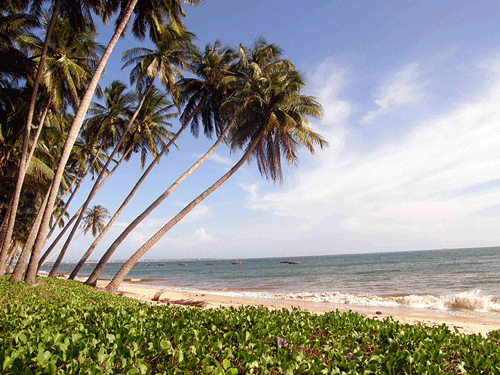
Rang Beach is one of the recognizable coastal landscapes around Mui Ne, known for its long shoreline and rows of coconut trees. The beach area represents the classic image many travelers expect from a tropical Vietnamese coastline.
The beach is particularly attractive for travelers who want a slower pace, combining seaside relaxation with nearby restaurants and resorts. During the warmer months, it becomes more active as visitors spend more time outdoors.
- Location: along the Mui Ne coastal road.
- Best for: beach relaxation, photography and sunset views.
- Atmosphere: more relaxed compared with larger urban beach destinations.
Ong Dia Rock Beach
Ong Dia Rock Beach is a local coastal viewpoint known for its rock formations, sea views and sunset atmosphere. It is not a large swimming beach but works well as a short stop while exploring the Mui Ne coastline.
The area is popular with local visitors who come for evening walks, photography and views of the ocean. Its rocky shoreline creates a different landscape from the sandy resort beaches nearby.
- Best for: sunset photography and short coastal visits.
- Experience: local atmosphere rather than a full beach day.
- Travel tip: combine with nearby Ham Tien attractions.
Hon Rom Beach
Hon Rom is a coastal area north of Mui Ne known for quieter beaches and open landscapes. Compared with the busy Ham Tien resort strip, Hon Rom provides a more spacious environment and easier access to the dune route.
Many travelers visit Hon Rom together with the Red Sand Dunes, Fairy Stream and fishing village because these attractions are located along the same northern route.
- Best for: families, beach relaxation and travelers seeking a quieter atmosphere.
- Nearby attractions: Red Sand Dunes, Fairy Stream and Mui Ne Fishing Village.
- Recommended visit: morning or late afternoon when temperatures are cooler.
Mui Ne Sand Dunes Experience
The sand dunes are the natural feature that makes Mui Ne different from most Vietnamese coastal destinations. These coastal dune landscapes create a rare combination of ocean scenery and desert-like terrain.
The two main dune attractions are the White Sand Dunes (Bau Trang) and the Red Sand Dunes. Although they are often mentioned together, they offer different experiences because of their location, scale and activities.
White Sand Dunes (Bau Trang)
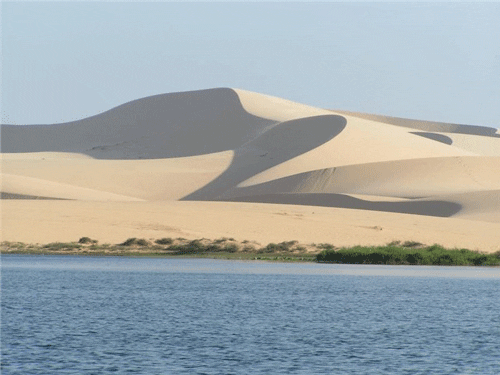
White Sand Dunes, also known as Bau Trang, are the most dramatic dune landscape near Mui Ne. The area combines large white sand formations with freshwater lakes, creating one of the most distinctive natural environments in southern Vietnam.
The name Bau Trang refers to the freshwater lake system surrounded by sand dunes. During certain seasons, lotus flowers can appear on the lake, adding another layer to the landscape.
- Location: Hoa Thang area, Bac Binh District, north of Mui Ne.
- Distance: approximately 25 to 30 km from Mui Ne resort area.
- Best time to visit: sunrise or early morning.
- Main activities: jeep tours, ATV rides, photography and sandboarding.
- Recommended duration: 45 minutes to 2 hours depending on activities.
Because the dunes are exposed with limited shade, visitors should bring water, sunscreen and suitable footwear. Midday temperatures can be uncomfortable, especially during the dry season.
Red Sand Dunes
The Red Sand Dunes are closer to Mui Ne’s main tourist area and are one of the easiest natural attractions to visit. Their warm orange and red colors become especially noticeable during sunrise and sunset.
Compared with White Sand Dunes, the Red Sand Dunes are smaller but more accessible. Many travelers include them in a short Mui Ne sightseeing route because they require less travel time.
- Location: near Mui Ne Fishing Village.
- Best time to visit: late afternoon and sunset.
- Main activities: sand sliding, photography and short walks.
- Suitable for: travelers with limited time in Mui Ne.
| White Sand Dunes (Bau Trang) | Red Sand Dunes | |
|---|---|---|
| Distance | Farther from Mui Ne | Closer to town |
| Landscape | Larger dunes with freshwater lakes | Smaller dunes with red-orange sand |
| Best time | Sunrise | Sunset |
| Main experience | Jeep, ATV and landscape photography | Sand sliding and quick visits |
Mui Ne Jeep Tour Experience
A Mui Ne Jeep Tour is one of the most convenient ways to experience the destination because the main attractions are spread across different areas. A typical route connects the sand dunes, Fairy Stream and fishing village in one trip.

Mui Ne’s white sand dunes.
Sunrise Jeep Tour
The sunrise route is usually preferred by travelers who want cooler temperatures and better photography conditions.
- White Sand Dunes (Bau Trang)
- Fishing Village viewpoint
- Fairy Stream
- Red Sand Dunes
Sunset Jeep Tour
The sunset option is more convenient for travelers who prefer a slower morning schedule. The Red Sand Dunes are usually the highlight because the changing light creates stronger colors across the sand.
- Confirm before booking: private or shared jeep.
- Check: whether ATV rides are included or charged separately.
- Bring: sunscreen, sunglasses and water.
Kitesurfing and Water Sports in Mui Ne
Mui Ne is one of Vietnam’s most recognized destinations for wind-based water sports because of its coastal wind conditions and long open shoreline. While many visitors come for beaches and sand dunes, the area has also developed an international reputation among travelers interested in kitesurfing and other outdoor activities.
The main activity area is around Ham Tien Beach, where several water sports schools operate along the coastline. The beach environment provides suitable conditions for both beginners who want lessons and experienced riders looking for longer sessions.
Kitesurfing Season in Mui Ne
The most favorable period for kitesurfing is generally from November to March, when stronger and more consistent winds create better conditions for wind sports. The exact conditions depend on daily weather patterns, so beginners should check with local schools before booking lessons.
- Best period: November to March.
- Best location: Ham Tien coastal area.
- Suitable for: beginners, intermediate and experienced riders.
- Other activities: windsurfing, stand-up paddleboarding and kayaking.
Visitors who are new to kitesurfing normally start with beginner lessons covering safety, equipment handling and basic control techniques. Travelers should choose certified instructors and avoid entering the water without proper guidance.
Mui Ne Fishing Village and Coastal Life
Mui Ne Fishing Village represents the traditional coastal identity that existed before the area became a tourism destination. Located near the northern end of Mui Ne, the village remains connected to fishing activities, seafood trading and the daily rhythm of local fishermen.
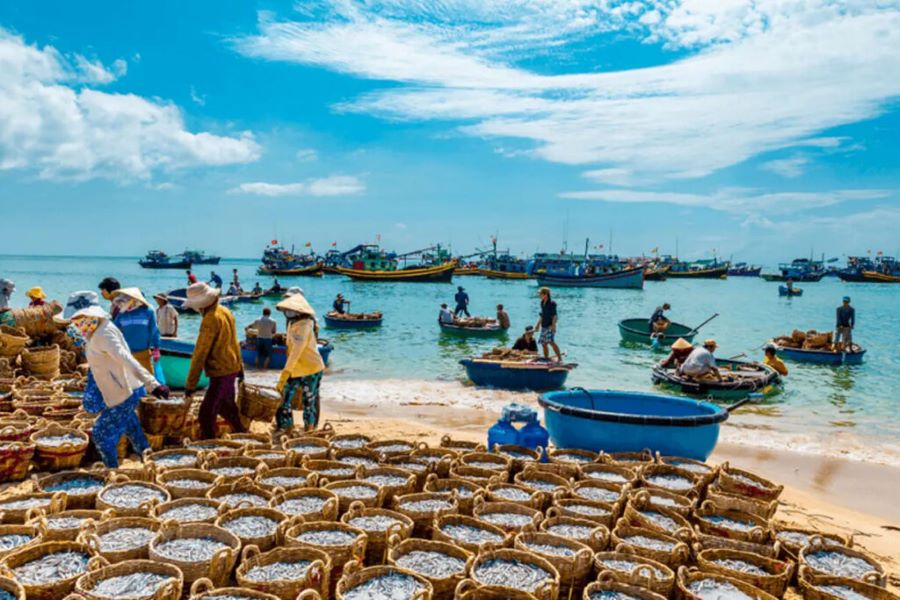
Mui Ne captures the essence of hardworking fishing villages in Vietnam
The best time to visit is early morning, when fishing boats return from the sea and fresh seafood is sorted near the shoreline. Visitors can see colorful round basket boats, larger fishing vessels and local traders preparing the daily catch.
- Best visiting time: approximately 05:00 to 07:00.
- Main experience: observing fishing activities and local seafood trade.
- Best for: photography, cultural observation and short visits.
Mui Ne Fishing Village should be approached as a working community rather than a tourist performance area. Visitors should avoid blocking fishermen, ask before photographing people closely and respect areas where seafood is being processed.
Fairy Stream (Suoi Tien)
Fairy Stream (Suoi Tien) is a shallow natural stream near Mui Ne known for its unusual combination of red and white sand formations. Unlike a traditional waterfall attraction, the experience focuses on walking through the landscape while observing the changing colors and textures of the surrounding cliffs.
The stream is easy to combine with other northern Mui Ne attractions, especially the fishing village and sand dunes. Most visitors walk barefoot through the shallow water while following the stream between the sandy formations.
- Location: near Mui Ne Fishing Village and Hon Rom area.
- Experience: barefoot walking, photography and natural landscape exploration.
- Recommended duration: approximately 45 minutes to 1 hour.
- Best time: early morning or late afternoon.
Visitors should wear comfortable footwear for the surrounding path and avoid visiting immediately after heavy rain, when water levels and walking conditions can change.
Cham Heritage and Historical Sites in Mui Ne and Phan Thiet
Mui Ne is not only a coastal destination. The wider Phan Thiet area also preserves important cultural connections with the Cham people, one of the historic civilizations of mainland Southeast Asia.
The Cham heritage around Phan Thiet reflects the historical presence of the Champa Kingdom, which developed across central and southern coastal Vietnam for many centuries. The remaining temples and cultural sites provide an important contrast to Mui Ne’s modern resort image.
Po Sah Inu Cham Towers
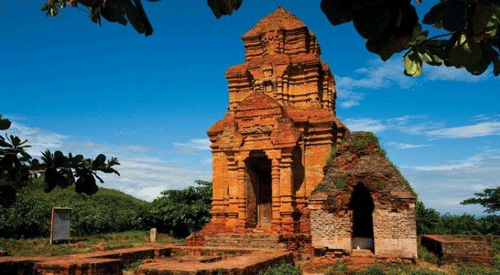
Po Sah Inu Cham Towers are among the most important historical attractions near Mui Ne. Located on Ong Hoang Hill, the tower complex represents Cham architectural traditions and religious practices from the Champa period.
The towers were built as Hindu religious structures and are associated with worship traditions dedicated to Cham deities. Their brick construction, decorative details and elevated coastal location make them one of the most distinctive cultural sites around Phan Thiet.
- Location: approximately 6 km west of Mui Ne.
- Historical identity: Cham religious architecture.
- Best time to visit: morning or late afternoon.
- Experience: history, architecture and coastal views.
Van Thuy Tu Temple
Van Thuy Tu Temple is one of Phan Thiet’s most important examples of coastal spiritual culture. Built by local fishermen, the temple is dedicated to Ca Ong (Whale God), a belief system connected with maritime communities along Vietnam’s coastline.
The temple houses a large whale skeleton, reflecting the traditional belief that whales protect fishermen and bring safety during sea journeys. The annual Cau Ngu Festival continues this connection between local communities and the sea.
- Location: Ngu Ong Street, Phan Thiet city.
- Main significance: whale worship and fishing heritage.
- Best for: cultural travelers interested in local traditions.
Duc Thanh School
Duc Thanh School is a historical site connected with Vietnam’s early 20th-century patriotic movement. Founded in 1907 during the Duy Tan movement, the school is known as the place where Ho Chi Minh taught before his later revolutionary activities.
The preserved buildings, furniture and historical objects provide insight into education and social movements in Vietnam during the early twentieth century.
- Location: central Phan Thiet.
- Historical period: early 1900s.
- Best for: history and cultural sightseeing.
Phan Thiet Fish Sauce Culture
Fish sauce is one of the strongest cultural connections between Phan Thiet and the sea. The city’s fishing economy has traditionally depended on anchovy fishing and fermentation techniques used to produce nuoc mam, one of Vietnam’s most important culinary ingredients.
Unlike simply being a local food product, fish sauce represents the relationship between coastal resources, fishing communities and traditional production methods.
Fish Sauce Museum
The Fish Sauce Museum in Phan Thiet introduces visitors to the history of local fishing villages and the traditional process behind fish sauce production. Exhibitions explain how coastal communities developed around fishing, fermentation and seafood trading.
- Main theme: fishing heritage and fish sauce production.
- Experience: cultural learning and local food history.
- Recommended for: travelers interested in cuisine beyond restaurants.
Travelers interested in local cuisine can also explore our guide to why visit Phan Thiet and discover how food, fishing culture and coastal landscapes shape the destination.
Day Trips from Mui Ne – Phan Thiet
Mui Ne is a good base for exploring several coastal and mountain attractions in Binh Thuan. While the main Mui Ne experiences can be completed within two days, travelers staying longer can add cultural sites, coastal landscapes and nature destinations that show a wider side of the region.
Ta Cu Mountain and Linh Son Truong Tho Pagoda
Ta Cu Mountain is one of the most important spiritual and natural attractions near Phan Thiet. Located southwest of the city, the mountain rises to approximately 457 meters above sea level and combines forest landscapes, Buddhist architecture and panoramic views over the surrounding countryside.
The main attraction on the mountain is Linh Son Truong Tho Pagoda, founded in the late nineteenth century. The complex is best known for the large reclining Buddha statue, which is considered one of the most recognizable Buddhist monuments in southern Vietnam.
- Location: Tan Lap Commune, Ham Thuan Nam District.
- Distance from Mui Ne: approximately 40 km.
- Main attraction: reclining Buddha statue and mountain scenery.
- Access: hiking route or cable car.
- Recommended duration: half-day trip.
Travelers should wear comfortable shoes and allow extra time if choosing to explore the walking paths around the temple complex. The cable car provides easier access for visitors who prefer a shorter physical activity.
Ke Ga Lighthouse and Cape Ke Ga
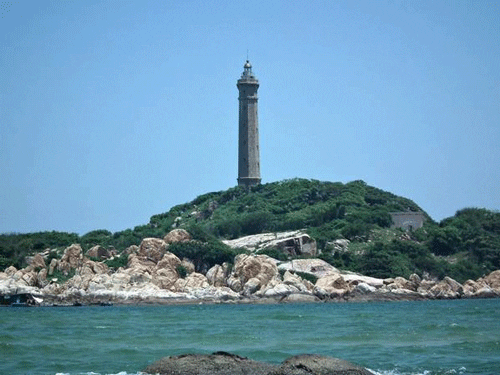
Ke Ga Lighthouse is a historic coastal landmark located south of Phan Thiet. Built during the French colonial period, the lighthouse stands on a small rocky island near Cape Ke Ga and remains one of the most distinctive structures along the Binh Thuan coastline.
The area offers a different experience from Mui Ne’s sandy landscapes. Instead of dunes and resort beaches, visitors find rocky coastline, fishing communities and open ocean views.
- Location: Ke Ga Cape, Ham Thuan Nam District.
- Distance from Mui Ne: approximately 50 km.
- Experience: lighthouse views, photography and coastal scenery.
- Access: local boat transfer depending on sea conditions.
Co Thach Beach and Seven-Color Stone Beach
Co Thach Beach is located farther north of Mui Ne and is known for its unusual shoreline covered with smooth, colorful stones shaped by waves over time. The destination provides a completely different coastal landscape compared with the sandy beaches around Mui Ne.
The nearby Co Thach Pagoda adds a cultural element to the visit. Built into the hillside, the pagoda combines religious architecture with views over the rocky coastline.
- Location: Tuy Phong District, northern Binh Thuan.
- Main feature: seven-color stone beach.
- Best for: photography, coastal landscapes and cultural visits.
- Recommended duration: full-day trip from Mui Ne.
Golf in Mui Ne – Phan Thiet
Mui Ne has developed as a golf destination alongside its beach tourism industry. The combination of coastal scenery, resort infrastructure and year-round sunny weather makes the area suitable for travelers who want to combine golf with a seaside holiday.
Sea Links Golf Country Club
Sea Links Golf Country Club is the main golf attraction in Mui Ne. Located on elevated coastal terrain, the course offers views over the Eastern Sea and combines golf facilities with nearby resort accommodation.
- Location: Ham Tien, Mui Ne.
- Experience: ocean-view golf and resort leisure.
- Suitable for: leisure golfers and travelers combining golf with beach holidays.
Golf travelers can combine Mui Ne with other destinations through a wider Vietnam golf tour itinerary.
What to Eat in Mui Ne – Phan Thiet
Phan Thiet’s food culture reflects its identity as a coastal fishing city. Local dishes combine seafood, rice-based ingredients, fermented flavors and traditional southern Vietnamese cooking methods.
Banh Can Phan Thiet

Banh Can is one of Phan Thiet’s most recognizable local specialties. Small rice cakes are cooked in clay molds and commonly topped with seafood, eggs or spring onions.
The dish is usually served with dipping sauces that vary between restaurants, including fish sauce-based combinations and richer local styles.
Banh Trang Mam Ruoc

Banh Trang Mam Ruoc is a popular street food associated with Phan Thiet. The dish combines grilled rice paper, shrimp paste, egg, green onions and other toppings to create a savory snack commonly enjoyed in the evening.
- Best time to try: afternoon and evening.
- Experience: local street food culture.
Lau Tha
Lau Tha is a traditional seafood dish associated with Phan Thiet. It uses fresh fish combined with local herbs, vegetables and rice paper, allowing diners to create their own rolls.
The dish reflects the relationship between the city and the sea, using ingredients that have long been part of local coastal cuisine.
Seafood in Mui Ne
Fresh seafood is one of Mui Ne’s biggest culinary attractions. Restaurants around the coastal road serve a variety of locally sourced seafood, including squid, shrimp, crab and fish.
- Recommended experience: choose seafood restaurants with clear prices before ordering.
- Best atmosphere: beachfront restaurants and local seafood areas.
Where to Stay in Mui Ne – Phan Thiet
Choosing where to stay depends on the type of experience you want. Mui Ne is not a compact beach city, so different areas offer different advantages.
Ham Tien: Best Area for First-Time Visitors
Ham Tien is the most convenient accommodation area because it combines beaches, restaurants, cafes and tour services. Most international visitors choose this area for their first Mui Ne trip.
Luxury Beach Resorts
- Anantara Mui Ne Resort: 12A Nguyen Dinh Chieu Street, Ham Tien Ward.
- Victoria Phan Thiet Beach Resort & Spa: Km 9 Nguyen Thong Street.
- The Cliff Resort & Residences: Phu Hai Ward.
Quiet Beach Stays
Travelers looking for a quieter atmosphere can consider areas closer to Hon Rom or resorts away from the busiest restaurant zones.
Practical Mui Ne Travel Tips
- Plan outdoor activities early or late in the day: Sand dunes and beaches have limited shade, especially during the dry season.
- Stay at least one night in Mui Ne: A day trip from Ho Chi Minh City is possible, but staying overnight allows you to experience sunrise dunes and local morning life.
- Bring sun protection: Sunscreen, sunglasses and water are important for dune tours.
- Confirm tour details: For jeep tours and activities, check what is included before departure.
- Respect local communities: Fishing villages remain working areas, not only sightseeing locations.
- Check weather conditions: Wind, waves and sea conditions can affect water activities.
- Combine destinations: Mui Ne works well with Ho Chi Minh City, Da Lat and other Vietnam coastal destinations.
Mui Ne Travel FAQ
How many days should I spend in Mui Ne?
Two days and one night is the ideal duration for most first-time visitors. This allows enough time for the sand dunes, fishing village, Fairy Stream, beach relaxation and local food experiences.
Travelers staying three days or longer can add Ta Cu Mountain, Ke Ga Lighthouse, golf activities or a slower resort holiday.
Is Mui Ne worth visiting?
Yes. Mui Ne offers a different experience from many Vietnamese beach destinations because it combines beaches, sand dunes, wind sports, fishing culture and Cham heritage in one area.
What is Mui Ne famous for?
Mui Ne is best known for its White Sand Dunes, Red Sand Dunes, beaches, kitesurfing conditions, fishing village and seafood culture.
Is Mui Ne better than Nha Trang?
The two destinations offer different experiences. Mui Ne is better suited for travelers interested in dunes, outdoor activities, a quieter beach atmosphere and coastal landscapes. Nha Trang offers a larger city environment, island tours and more urban entertainment.
Can I visit Mui Ne from Ho Chi Minh City?
Yes. Mui Ne is one of the easiest coastal destinations to combine with Ho Chi Minh City. The journey usually takes around four hours by road.
Travelers can arrange a private transfer through Ho Chi Minh City private car service for a more comfortable journey.
When is the best month for kitesurfing in Mui Ne?
The strongest wind conditions are generally from November to March, making this period popular among kitesurfers. Beginners should check current conditions with local instructors before booking lessons.