

10 Reasons to Visit Vietnam, from Spectacular Landscapes to Everyday Local Life
Vietnam is worth visiting for its contrasting landscapes, regional cuisine, living traditions and opportunities to experience everyday life beyond the main sights. A journey can connect limestone bays, mountain villages, historic towns and tropical beaches, with very different experiences in each region.
The appeal is also in the smaller moments: watching coffee drip through a metal filter, sharing a meal with a homestay host or seeing produce change hands on a river. Vietnam offers several ways to travel, from simple guesthouses and neighborhood food stalls to comfortable private journeys and beach resorts.
Choosing the right combination matters. Mountain scenery changes with the agricultural season, beach conditions vary along the coast, and festivals can affect transport and opening hours. These ten reasons to visit Vietnam explain what makes each experience rewarding and what to consider when building your trip.
1. Breathtaking Landscapes with Remarkable Regional Variety
- Representative destinations: Ha Long Bay, Ninh Binh, Sapa, Phong Nha and Da Lat.
- Landscape types: Limestone karst, rice terraces, forested caves and highland valleys.
- Experience options: Boat trips, village walks, trekking and guided cave excursions.
- Planning priority: Match the destination to weather conditions and the physical demands of the activity.
Vietnam’s landscapes give a journey genuine variety. Around Ha Long Bay, limestone formations rise from the sea, while Ninh Binh offers a different encounter with karst scenery through inland waterways and agricultural valleys. In the northern mountains, Sapa’s slopes combine rice terraces, villages and changing cloud cover. Da Lat introduces a cooler highland setting, pine-covered hills and buildings influenced by its history as a French colonial hill station.
For caves and forest scenery, Phong Nha-Ke Bang National Park deserves more than a passing stop. Its limestone landscape forms part of the UNESCO World Heritage property shared with Hin Nam No National Park in Laos. Accessible sightseeing caves and demanding adventure expeditions offer very different experiences: an underground walk does not require the same preparation as a trip involving jungle trekking, swimming or an overnight camp.
The most useful planning question is what you want to do within the scenery. A terrace photograph depends on the crop cycle, a mountain walk depends on visibility and trail conditions, and a bay cruise depends on marine weather. Choose a few contrasting natural wonders of Vietnam and give each enough time, rather than spending most of the trip moving between distant viewpoints.
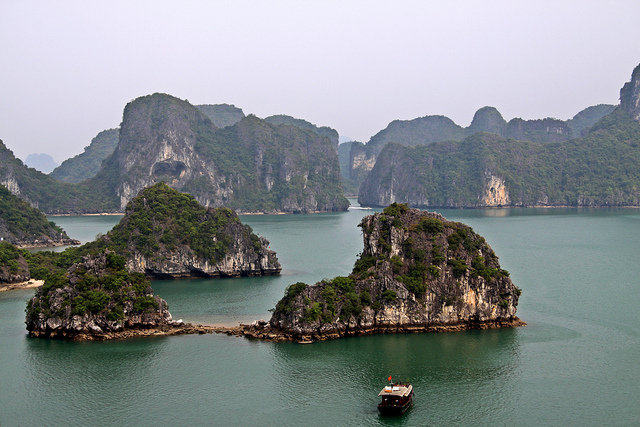
Ha Long Bay introduces Vietnam’s coastal karst scenery, contrasting with the inland valleys and mountain landscapes elsewhere in the country.
2. Opportunities to Connect with Local People
- Representative settings: Mai Chau villages, Sapa homestays and Mekong Delta communities.
- Experience options: Shared meals, guided village walks, weaving demonstrations and family stays.
- Accommodation choices: Family homes, village guesthouses and independently operated lodges.
- Planning priority: Confirm who hosts the experience and what interaction is included.
Meeting local people can turn a sightseeing trip into a more personal journey. A conversation over dinner may explain how a household grows rice, prepares a festival meal or balances farming with tourism. These encounters work best when there is time to listen and a clear invitation to participate. Hospitality varies between individuals and settings, so it is more helpful to choose thoughtfully arranged experiences than to assume every village visit includes access to family life.
In Mai Chau, villages such as Lac and Pom Coong provide opportunities to learn about Thai community traditions, including stilt-house architecture and weaving. The Thai ethnic community in Vietnam is distinct from the nationality label for people from Thailand. Around Sapa, different communities have their own languages, clothing and customs. A local guide can explain those differences and help conversations move beyond photographs and souvenir purchases.
Check the meaning of “homestay” before booking. Some properties offer meals and conversation with a resident family; others operate much like small hotels. Ask about shared bathrooms, bedding, meals and whether hosts speak English. During visits, request permission before photographing people or entering private spaces, and follow your host’s lead about removing shoes. An overnight stay, or 2 or 3 days in Mai Chau, leaves more room for these exchanges than a brief stop between transfers.
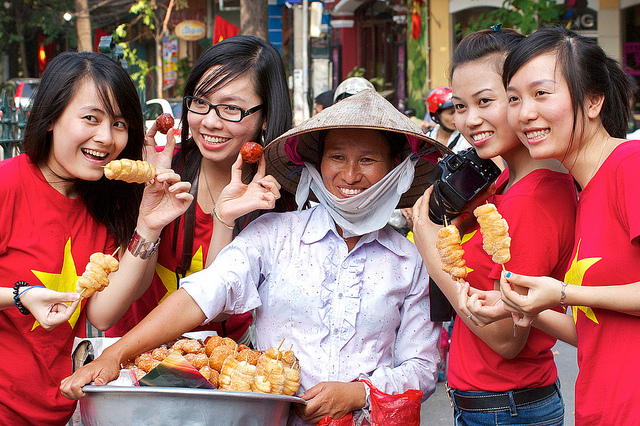
Everyday encounters add a human dimension to Vietnam’s better-known landscapes and monuments.
3. Flexible Travel Options for Different Budgets
- Accommodation range: Hostels, guesthouses, boutique hotels and beach resorts.
- Everyday spending: Local meals, coffee, public transport and entrance tickets.
- Major cost variables: Domestic flights, private vehicles, cruises and specialist activities.
- Planning priority: Compare the complete itinerary and its inclusions.
Vietnam’s value lies in the range of choices available at different comfort levels. A traveler can eat at neighborhood restaurants, stay in a small guesthouse and explore a city on foot, while another can choose spacious hotels, private transfers and guided experiences. Both can enjoy the same regional food and historic streets. This flexibility makes it possible to direct spending toward the parts of the trip that matter most to you.
A low room rate alone does not establish the cost of a holiday. Frequent flights, checked baggage, airport transfers and long private journeys can become significant expenses. Cruises and cave expeditions also need careful comparison: meals, permits, equipment, guiding and transport may be included in one package but charged separately in another. Holiday periods can change availability and prices, particularly when domestic travelers are also moving around the country.
For travelers considering Vietnam on a budget, a compact route is often more useful than choosing the cheapest option at every stop. Staying longer in fewer places reduces transfer costs and gives you time to discover ordinary restaurants and markets. Keep some Vietnamese dong for small purchases, and distinguish a price per person from a price per vehicle or room. Good value comes from understanding what you receive, including comfort, location and time saved, rather than expecting every experience to be inexpensive.
4. Living Heritage and Memorable Hands-on Experiences
- Representative destinations: Hoi An, Hue and Hanoi.
- Heritage settings: Trading-town streets, imperial monuments and traditional performance spaces.
- Experience options: Craft workshops, water puppetry, historic-house visits and river outings.
- Planning priority: Combine cultural landmarks with activities that explain their local context.
Vietnam’s cultural heritage is rewarding because travelers can encounter it through buildings, performances and practical skills. Hoi An’s old streets reflect its history as an international trading port, with merchant houses and assembly halls providing context for the town’s architecture. Hue offers a different perspective through the former Nguyen imperial capital. Visiting both helps explain why Vietnam’s historic towns have distinct identities rather than presenting them as interchangeable sightseeing stops.
A hands-on activity adds another layer. Making a lantern in Hoi An can introduce the materials and techniques behind an object you see throughout the town. A water-puppet performance in Hanoi presents scenes of rural life through puppets moving across a pool, accompanied by music and Vietnamese dialogue. Although visitors may not understand every spoken line, the movement, sound and visual storytelling make the performance accessible. Ask for a program summary if you want more context.
Leave space for the experiences that made the original article appealing: a walk through a village, a quiet stretch beside the Thu Bon River or kayaking during a bay itinerary. These activities become more meaningful when they fit the setting and the pace of the day. In Hoi An, allow time beyond the busiest evening streets; in Hue, balance monument visits with breaks from the heat. At active temples and pagodas, cover shoulders and knees and follow posted instructions.
5. A Coffee Culture Worth Slowing Down For
- Classic preparation: Coffee brewed through a metal phin filter.
- Regional specialties: Hanoi egg coffee and Hue salt coffee.
- Useful order: Ca phe sua da means iced coffee with condensed milk.
- Verified Hanoi example: Cafe Giang, 39 Nguyen Huu Huan Street.
Vietnamese coffee is a reason to pause during a busy journey. A traditional phin sits above the cup while hot water slowly passes through the grounds, making the preparation part of the experience. Black coffee emphasizes the concentrated flavor; condensed milk adds sweetness and a richer texture. Sitting at a neighborhood cafe also gives you a natural place to observe the morning routine, from breakfast orders to people heading to work.
The drinks change as you travel. Hanoi’s egg coffee combines coffee with a sweet, whipped egg mixture, while Hue’s salt coffee adds a salty, creamy contrast. Coconut coffee appears on many cafe menus as another option. At Cafe Giang, the Nguyen Huu Huan address remains listed on the business’s website, making it a more useful recommendation than relying on an old chain-cafe branch address. For a quieter experience, choose the setting you prefer rather than treating one famous cafe as essential.
Knowing a little about Vietnamese coffee helps with ordering. Ca phe den is black coffee, while nong and da indicate hot and iced preparations. Condensed milk is sweetened dairy, so ask about ingredients if you avoid milk; egg coffee contains egg, and specialty toppings differ between cafes. Coffee strength also varies by recipe and serving size. A small cup can be an enjoyable tasting stop without turning every cafe visit into another hurried item on the itinerary.
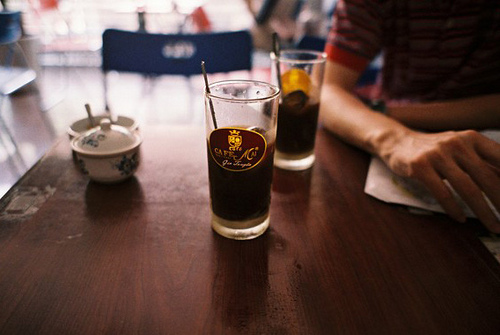
A coffee stop offers time to enjoy local flavors and the everyday rhythm of the city.
6. Regional Cuisine That Changes Along the Journey
- Northern examples: Pho and bun cha in Hanoi.
- Central examples: Bun bo Hue, mi Quang and Hoi An cao lau.
- Southern example: Com tam, or broken rice, in Ho Chi Minh City.
- Experience options: Neighborhood restaurants, market tastings, cooking classes and fine dining.
Vietnamese food offers much more than one national menu. Hanoi’s bun cha pairs grilled pork with rice vermicelli, herbs and a dipping broth. In Hue, bun bo Hue brings a different noodle texture and a broth associated with lemongrass and chili. Hoi An’s cao lau combines distinctive noodles with pork, greens and a small amount of broth, while mi Quang varies its toppings around a relatively shallow broth. Traveling between regions makes these differences part of the journey.
The way you eat matters too. Herbs, lime, chili and condiments often arrive separately, allowing diners to adjust a dish. Watch how the meal is served before adding everything to the bowl: dipping sauces and broths have different roles. A market visit or cooking class can explain unfamiliar ingredients and preparation methods, while Hanoi street food introduces dishes in their everyday setting. Restaurant meals offer another way to explore the same culinary traditions with more seating space and a slower pace.
Use Vietnam’s regional cuisine to shape the route, rather than repeating familiar dishes at every stop. Tell hosts about dietary requirements before an activity, since fish sauce, meat stock, peanuts or shellfish may be present even when they are not obvious from the dish name. Vegetarian-looking food does not always mean a fully vegetarian recipe. Seafood can complement a coastal stay, but there is no need to organize the whole trip around elaborate meals: a well-chosen breakfast or lunch can be just as memorable.
7. Festivals That Reveal Vietnamese Traditions
- Major celebration: Tet, the Vietnamese Lunar New Year.
- Mid-Autumn Festival: The 15th day of the eighth lunar month.
- Hoi An lantern celebration: Associated with the 14th day of each lunar month.
- Planning priority: Confirm local programs, transport availability and business opening arrangements.
Vietnam’s festivals reveal traditions that are less visible during an ordinary sightseeing day. Tet centers on renewal, family reunions and honoring ancestors. Flower markets, seasonal decorations and foods such as banh chung, a square sticky-rice cake, give visitors recognizable ways to encounter the holiday. Calling it Tet or Vietnamese Lunar New Year describes the celebration accurately, while leaving room to learn how customs differ between households and regions.
Other celebrations offer different experiences. The Mid-Autumn Festival is associated with lanterns, mooncakes and children’s celebrations. The Hoi An lantern festival gives a familiar town a different evening atmosphere, although illuminated lanterns are also visible on ordinary nights. Lunar dates do not fall on the same Gregorian date each year, so check the calendar before arranging a journey around a particular celebration.
A festival visit needs practical preparation. During Tet, many independent businesses close while families reunite, and travel demand can affect transport and accommodation. The days before the holiday may suit travelers who want flower markets and preparations alongside a broader choice of services. Family ceremonies remain private unless you are invited, and the first visit to a home during Tet can carry special meaning. At public events, follow local instructions and confirm what is actually scheduled; fireworks, processions and performances are not guaranteed in every city.
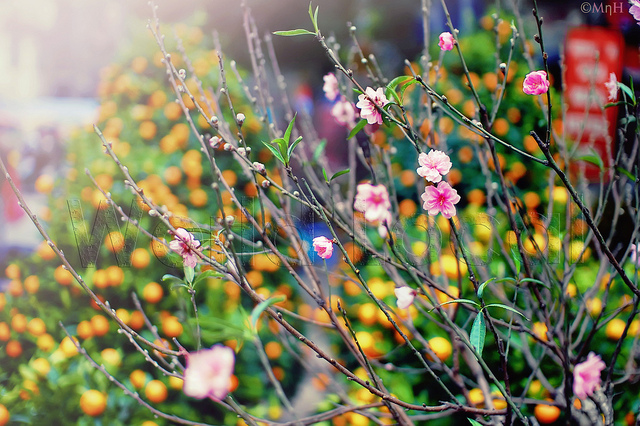
Seasonal flowers are part of Tet preparations, alongside family gatherings and traditional holiday food.
8. Beach Breaks for Different Travel Styles
- City-and-beach combination: Da Nang and nearby Hoi An.
- Other coastal options: Nha Trang, Mui Ne and Phu Quoc.
- Experience options: Resort stays, seafood meals, coastal walks and instructed water sports.
- Planning priority: Check regional weather, beach access and conditions for your chosen activity.
Vietnam’s coast offers several ways to add a beach break to a cultural journey. Da Nang combines urban restaurants and transport connections with beach access, while nearby Hoi An allows time for both historic streets and the coast. Nha Trang suits travelers who want a seaside city setting. Phu Quoc provides an island option, and Mui Ne combines coastal accommodation with dunes and fishing-community scenery. The right choice depends on how much moving around you want to do.
Water sports create a different kind of beach holiday. Mui Ne is associated with kitesurfing, where wind is part of the attraction. Conditions that suit experienced riders may be less appealing to someone seeking calm swimming, so choose the beach area and accommodation accordingly. Beginners should arrange instruction with a qualified provider rather than rent equipment without training. For a quieter stay, check the property’s immediate shoreline, access arrangements and surrounding development instead of relying only on destination photographs.
There is no single beach season for the whole country. Central Vietnam can experience heavy rain and storms later in the year, while southern islands follow a different seasonal pattern. Consult regional forecasts as the trip approaches, especially before boat excursions. Swimming suitability also varies with currents, waves and local warnings; follow lifeguards and posted flags. A few nights at the coast can provide a welcome change of pace, particularly when the beach stop fits naturally into the route rather than requiring several additional transfers.
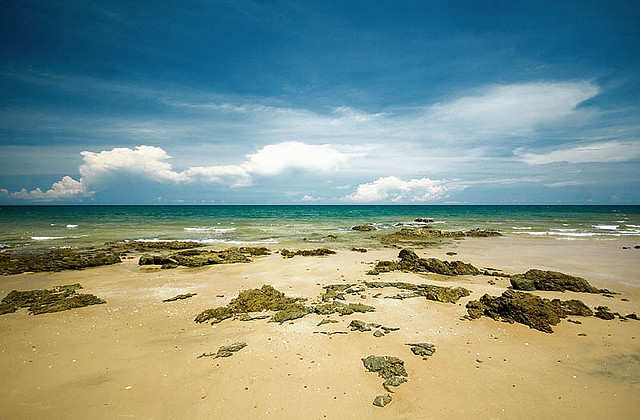
Mui Ne combines a coastal stay with dunes, fishing communities and opportunities for instructed wind sports.
9. River Life and Floating Markets in the Mekong Delta
- Practical overnight base: Can Tho.
- Recognized market: Cai Rang floating market.
- Typical visiting period: Early morning, with departures often arranged around dawn.
- Complementary experiences: Canal journeys, orchards, food producers and riverside communities.
The Mekong Delta offers a different perspective on Vietnam through its waterways, agricultural produce and riverside settlements. Boats connect visitors with a landscape that feels quite different from Hanoi’s streets or the northern mountains. Floating markets are part of that story, but the broader experience includes canal travel, local food and the relationship between households and the river. This wider focus makes a delta visit rewarding even when market activity is quieter than expected.
At Cai Rang floating market, traders traditionally display samples of their goods on long poles, allowing buyers to identify produce from a distance. Market activity varies, and visitors should not assume every morning will resemble an old photograph of tightly packed trading boats. Staying in Can Tho makes an early departure easier than trying to add a dawn market visit to a long transfer from Ho Chi Minh City.
Ask what the boat journey actually includes: the starting pier, private or shared arrangements, approximate duration and any additional stops. Confirm the total price and life-jacket provision before departure. A thoughtfully chosen route might combine the market with an orchard or a small food-making business, provided those stops are operating and welcome visitors. Avoid filling the day with repetitive shopping stops. Leaving time for a riverside meal or an overnight stay helps you understand the delta as a lived-in region, with changing commerce and everyday routines, rather than expecting a fixed performance for tourists.
10. History You Can Explore at Cu Chi and Beyond
- Representative site: Cu Chi tunnels, northwest of Ho Chi Minh City.
- Main visitor areas: Ben Dinh and Ben Duoc.
- Historical focus: Underground infrastructure associated with wartime resistance.
- Planning priority: Confirm the visitor area, available exhibits and whether tunnel entry suits you.
Vietnam’s history becomes easier to understand when you connect monuments and museums with the places where events unfolded. Cu Chi introduces the underground infrastructure used by resistance forces, particularly during the Vietnam War, also commonly called the American War in Vietnam. Displays and site interpretation help explain how tunnels supported communication, shelter and daily survival. The experience provides a more concrete understanding than a brief historical summary alone.
A Cu Chi tunnels visit needs some preparation. Ben Dinh and Ben Duoc are different visitor areas, so confirm which one your itinerary includes rather than treating every excursion as identical. Ask about walking distances, stairs and the tunnel sections available to visitors. Underground passages may feel narrow, hot or uncomfortable, even where sections have been adapted for tourism. Travelers who prefer to remain above ground can ask how much of the site they can experience through outdoor displays and interpretation.
Give the visit context within a stay in Ho Chi Minh City. Museum collections and historic buildings offer additional perspectives, while a knowledgeable guide can distinguish documented events from simplified stories. Some war-related displays can be emotionally difficult, so consider the interests and ages of your group. Vietnam’s history also extends far beyond conflict: imperial Hue, Hoi An’s trading heritage and everyday cultural traditions provide other chapters. Combining these perspectives produces a fuller understanding of the country.

Cu Chi offers an introduction to wartime underground infrastructure and the conditions it was designed to withstand.
Plan Your Vietnam Trip with Paradise Travel
Paradise Travel is a licensed international tour operator headquartered in Hanoi and established in 2005. The company arranges private, tailor-made journeys across Vietnam, Laos, Cambodia, Thailand and Myanmar.
Our tailor-made Vietnam tours can combine the experiences that interest you, with accommodation, transport and guiding suited to your travel style. Planning considers regional seasons, transfer times and the balance between sightseeing, local encounters and time to relax.
Share your preferred dates, interests, group size and approximate budget through our trip-planning team. We can suggest a route and prepare a personalized proposal for you to review.

Address: 81 Alley 12 Dao Tan Street, Giang Vo Ward, Hanoi, Vietnam
WhatsApp: +84 989 391 076
Email: sales@vietnamparadisetravel.com
FAQs

Start planning your tailor-made Southeast Asia tour by contacting one of our specialists…


Good info, thank you
I’m interested in coming to Vietnam for tourism because it’s a tourism safe destination
That’s wonderful to hear your interest in visiting Vietnam for your upcoming trip! It’s indeed a great choice as Vietnam is known for its safe and welcoming environment. From the bustling streets of Hanoi to the serene beauty of Ha Long Bay, there’s so much to explore and enjoy. If you have any questions or need recommendations for your trip, feel free to ask. Your adventure in Vietnam awaits!
Paradise Travel Team.