

Elderly and Retired People Traveling to Vietnam: A Complete Guide
Vietnam has become one of Southeast Asia’s most appealing destinations for elderly travelers and retirees who are looking for both comfort and meaningful experiences. With its affordable cost of living, high-quality private healthcare, stunning coastlines, and deep cultural heritage, the country offers a balanced lifestyle that combines relaxation with discovery. Many seniors choose to travel to Vietnam not only for short holidays but also to explore the possibility of longer stays or retirement in a warm and welcoming environment.
From peaceful beach cities to vibrant cultural capitals, Vietnam provides diverse options to suit different preferences and budgets. Whether joining organized Vietnam tours to explore historical landmarks and natural wonders, or planning an independent long-term stay, retirees can enjoy a slower pace of life while still having access to modern conveniences and international services.
Below is a practical guide outlining the key things seniors should know before choosing Vietnam for travel or retirement, including costs, healthcare, visas, safety and lifestyle.
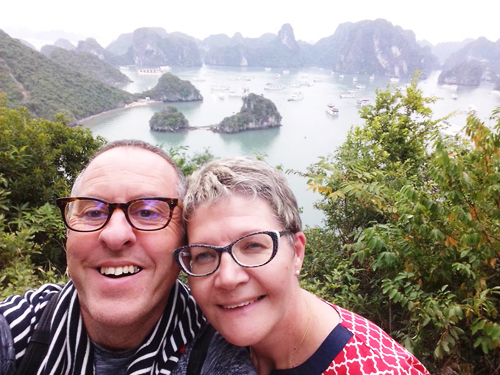
Why Vietnam Is Attractive to Retirees
Affordable Cost of Living
One of the biggest reasons retirees choose Vietnam is affordability. Compared to the US, Canada, Australia, or Europe, daily expenses are significantly lower. Housing, food, domestic help, transportation, and even private healthcare cost a fraction of Western prices. Many retirees live comfortably on a moderate pension.
High-Quality Private Healthcare
Vietnam’s private hospitals in major cities are modern and well-equipped. English-speaking doctors are common in larger urban areas. Medical services such as check-ups, dental care, diagnostics, and minor procedures are affordable and accessible without long waiting times.
Warm Climate Year-Round
Vietnam offers a tropical and subtropical climate. Southern cities like Ho Chi Minh City stay warm year-round, while central coastal areas such as Da Nang provide sunny beach weather most of the year. This is especially attractive for retirees from colder countries seeking a healthier, outdoor lifestyle.
Friendly and Welcoming Locals
Vietnamese culture values respect for elders. Seniors are often treated with courtesy and kindness. Locals are generally helpful toward foreigners, making integration easier.
Rich Culture and History
Vietnam’s cultural heritage stretches back thousands of years, offering retirees a destination filled with depth, character, and meaningful experiences. From ancient temples and imperial cities to well-preserved French colonial architecture and traditional craft villages, the country presents a fascinating blend of Eastern traditions and European influences. Walking through historic quarters, visiting pagodas, or exploring old citadels allows seniors to connect with Vietnam’s layered past in a relaxed and immersive way.
Beyond its architecture, Vietnam’s culture is reflected in daily life – from traditional festivals and ancestor worship practices to classical music, water puppet performances, and regional cuisines passed down through generations. Retirees who appreciate history, art, and long-standing traditions will find endless opportunities for exploration, whether through guided cultural tours, museum visits, or simply engaging with local communities. Each region offers its own unique identity, ensuring that discovery continues long after the first visit.
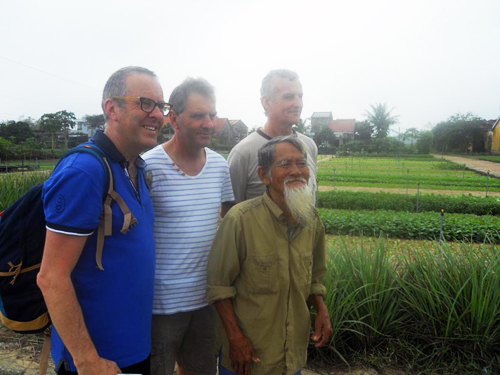
Best Cities in Vietnam for Retired Travelers
Choosing the right city is one of the most important decisions for retirees planning a long stay in Vietnam. Each destination offers a different pace of life, climate, and level of international services, allowing seniors to select a location that best fits their lifestyle preferences and healthcare needs.
Da Nang – Clean Beaches, Relaxed Pace, Modern Hospitals
Da Nang is widely regarded as one of the best retirement destinations in Vietnam. This coastal city strikes an ideal balance between peaceful beach living and modern urban convenience. With its long stretches of clean sandy beaches, wide roads, and less chaotic traffic compared to larger cities, Da Nang offers a calm and comfortable environment for seniors.
The city is also home to reputable private hospitals and international clinics, providing reliable healthcare access. Modern apartments, shopping centers, and a growing expat community make daily life convenient while maintaining a relaxed atmosphere.
Hoi An – Quiet Lifestyle, UNESCO Heritage Town
Hoi An is a charming historic town known for its lantern-lit streets, riverside cafés, and beautifully preserved architecture. Its small size and slower rhythm of life make it especially appealing to retirees seeking tranquility.
Life in Hoi An centers around culture, community, and simple pleasures. Morning walks through the old town, local markets, and nearby beaches create a peaceful routine. While healthcare facilities are smaller than in major cities, Da Nang is only a short drive away for more advanced services.
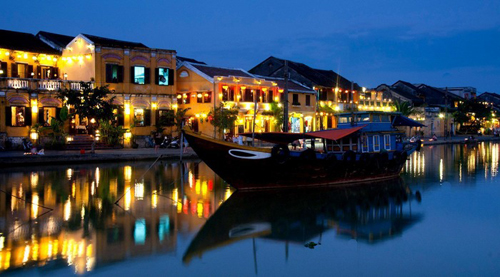
Hoi An Ancient Town
Nha Trang – Coastal Living, Good Expat Community
Nha Trang is another popular seaside city offering beachfront apartments and a lively yet manageable environment. Known for its fresh seafood and ocean views, it attracts retirees who want daily access to the sea.
The city has a well-established expatriate community, making it easier for newcomers to build social connections. Modern residential buildings, supermarkets, and private clinics contribute to a comfortable retirement lifestyle.
Hanoi – Cultural Depth, Lakes, Traditional Charm
As the capital of Vietnam, Hanoi offers a rich blend of tradition and modernity. The city features scenic lakes, tree-lined boulevards, and a deep cultural atmosphere shaped by centuries of history.
Retirees who enjoy museums, classical architecture, traditional markets, and seasonal weather may find Hanoi particularly appealing. The presence of major hospitals and international services ensures access to quality healthcare, although the busy traffic may require adjustment.
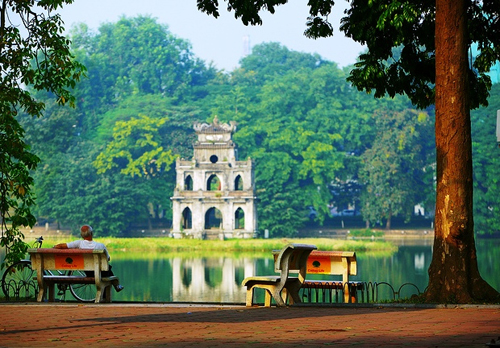
Hanoi – Sword Lake
Ho Chi Minh City – International Services, Strong Healthcare System
Ho Chi Minh City is Vietnam’s largest and most dynamic urban center. It provides the highest concentration of international hospitals, embassies, global restaurants, and Western-style services.
For retirees who prioritize top-tier healthcare, diverse dining options, and easy access to international flights, this city offers unmatched convenience. While the pace of life is faster than in coastal towns, many residential districts provide quiet, secure living environments suitable for seniors.
Each of these cities offers unique advantages, allowing retirees to choose between beachside relaxation, cultural immersion, or metropolitan convenience depending on their personal preferences and long-term plans.
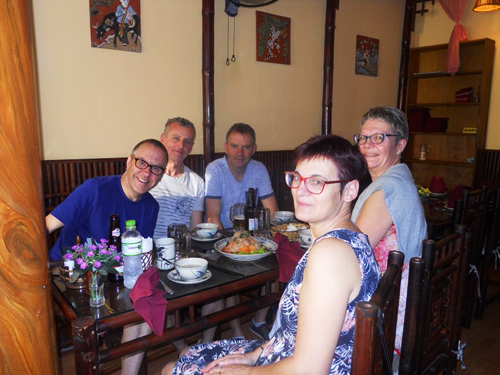
Cost of Living for Seniors in Vietnam
Monthly Housing Costs
One-bedroom apartment (city center): $400-$800/month
One-bedroom apartment (outside center): $300-$600/month
Beachfront apartments: $600-$1,200/month
Prices vary by city and location.
Healthcare Expenses
General doctor visit: $20-$50
Specialist consultation: $40-$100
Dental cleaning: $20-$40
Comprehensive health check packages: $150-$300
Food and Transportation
Local meal: $2-$5
Western restaurant meal: $8-$20
Monthly groceries: $150-$300
Ride-hailing trip: $1-$5
Monthly scooter rental: $50-$80
Comparison with Western Countries
Overall, living in Vietnam can be 50-70% cheaper than in the US, UK, or Australia, depending on lifestyle. Retirees can maintain a comfortable life on $1,200-$2,000 per month in many cities.
Visa Options for Long-Term Stay
Tourist Visa Extensions
Vietnam offers tourist visas that can be extended periodically, though regulations change frequently.
Business Visa Options
Some retirees choose business visas if they invest or engage in small enterprises.
Retirement Visa
Vietnam does not currently have a specific retirement visa, unlike Thailand. Retirees usually stay through renewable visa arrangements.
Visa Run Considerations
Some long-term visitors leave the country periodically to renew visas. However, immigration policies may change, so staying updated is essential.
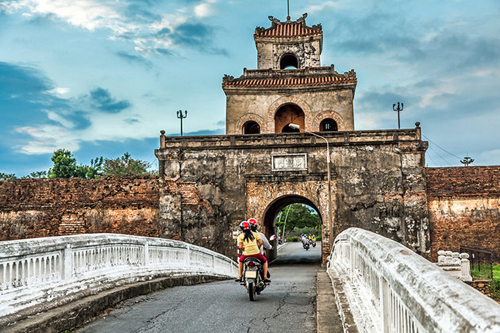
Hue City
Safety and Comfort for Older Travelers
Low Violent Crime Rate
Vietnam is considered relatively safe, with low rates of violent crime. Petty theft can occur in tourist areas, so awareness is important.
Safe Neighborhoods
Most residential districts in Da Nang, Nha Trang, and parts of Ho Chi Minh City are considered safe for seniors.
Walkability and Transportation
Sidewalk conditions vary. Ride-hailing apps make transportation easy and inexpensive. Taxis are widely available.
Senior-Friendly Accommodations
Many new apartment buildings have elevators, security staff, and modern amenities suitable for retirees.
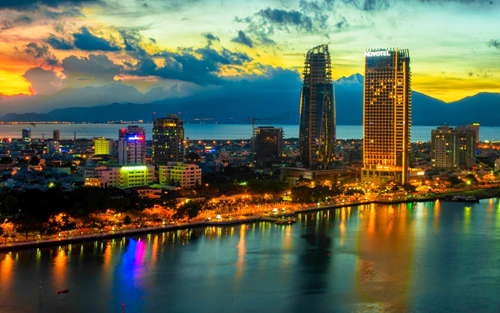
Da Nang city
Lifestyle and Activities for Retirees
Beach Walks and Morning Exercise Culture
Vietnamese people commonly exercise in parks and on beaches early in the morning. Seniors can join tai chi groups, walking clubs, or light aerobics sessions.
Yoga and Wellness Retreats
Coastal towns offer yoga studios and wellness retreats focused on relaxation and healthy aging.
Cooking Classes and Cultural Tours
Retirees can learn Vietnamese cuisine, visit craft villages, and join cultural tours exploring temples and historical sites.
Volunteering Opportunities
Teaching English, supporting NGOs, or community work can give retirees purpose and social connection.
Expat Social Clubs
Most major cities have active expat communities organizing meetups, language exchanges, and social events.
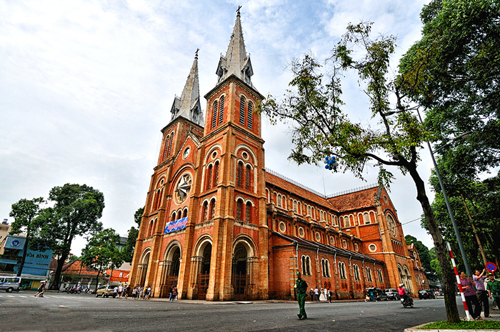
Saigon – Ho Chi Minh city
Challenges to Consider
Language Barrier
English is common in cities but limited in rural areas. Learning basic Vietnamese phrases is helpful.
Traffic Conditions
Motorbike traffic can be overwhelming for newcomers. Crossing streets requires patience and awareness.
Climate (Humidity and Heat)
The tropical climate can be hot and humid. Air conditioning is widely available but adaptation takes time.
Long Distance from Home Country
Flights to Europe or North America are long and may be expensive during peak seasons.
Healthcare and Insurance Options
Public vs. Private Hospitals
Public hospitals are affordable but can be crowded. Private hospitals offer shorter waiting times, English-speaking staff, and higher comfort standards.
International Clinics
Major cities host international clinics with Western-trained doctors. These facilities meet global healthcare standards and are preferred by expatriates.
Travel Insurance for Seniors
Retirees staying long-term should purchase comprehensive travel or international health insurance covering hospitalization, evacuation, and chronic conditions.
Access to Specialists
In large cities, access to cardiologists, orthopedists, ophthalmologists, and other specialists is relatively easy. Advanced treatments are increasingly available locally.
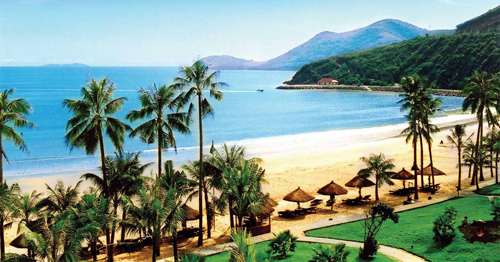
Nha Trang beach city
Practical Tips for Elderly Travelers
Choosing Accommodation with Elevators
Select buildings with elevators, backup generators, and 24-hour security.
Staying Hydrated in Tropical Weather
Drink plenty of water, avoid peak sun hours, and wear light clothing.
Using Ride-Hailing Apps
Apps such as Grab make transportation safe and affordable without language barriers.
Having a Local SIM Card
A Vietnamese SIM card provides inexpensive mobile data for navigation, translation apps, and emergency contact.
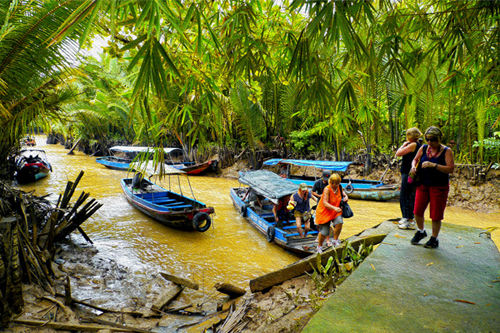
Mekong Delta
Is Vietnam Right for You?
Vietnam stands out as a retirement destination because it combines several important factors that matter most to elderly travelers: affordability, accessibility, comfort, healthcare quality, and an enriching lifestyle. Retirees can enjoy a high standard of living at a significantly lower cost compared to many Western countries, while still having access to modern apartments, reliable services, and quality private medical care in major cities.
Beyond financial advantages, Vietnam offers something equally valuable – a vibrant yet relaxed way of life. Whether it’s morning walks along the beaches of Da Nang, quiet afternoons in the lantern-lit streets of Hoi An, or lakeside strolls in Hanoi, retirees can shape a daily routine that supports both physical health and emotional well-being. The culture encourages outdoor activity, social interaction, and respect for elders, which helps many seniors feel welcomed and valued.
Vietnam also provides flexibility. Some retirees choose bustling urban centers like Ho Chi Minh City for access to international hospitals and global amenities, while others prefer coastal cities such as Nha Trang for peaceful seaside living. This range of options allows individuals to match their environment to their personal preferences and health needs.
Of course, adapting to a new country requires preparation. Climate differences, traffic conditions, visa regulations, and language barriers should all be carefully considered. However, with thoughtful planning – including proper insurance coverage, comfortable housing, and awareness of local customs – most challenges can be managed effectively.
For elderly travelers seeking warm weather, cultural depth, a welcoming community, and a slower, more meaningful pace of life, Vietnam is steadily emerging as one of Asia’s most appealing retirement destinations. With the right expectations and preparation, it can offer not just a place to live, but a place to truly enjoy the next chapter of life.
Read More:
- Top 3 must-see cultural museums in Hanoi
- 8 reasons why you should book Vietnam tours with local tour operators
- Tips for disabled travelers to visit Vietnam
Start planning your tailor-made Southeast Asia tour by contacting one of our specialists…


What adventure type of tours would you recomend.
Dear Sir/ Madam,
Thank you for your comment. For senior travelers, it is advisable to book a soft trekking tour for some adventurous experiences in our country. You can see some tour suggestions here:
Should you have any queries, please do not hesitate to send your request to sales@vietnamparadisetravel.com.
Regards,
Chi
This is one of our soft adventure packages in Northern Vietnam https://www.vietnamparadisetravel.com/tour/vietnam-north-east-adventure-tour-in-10-days