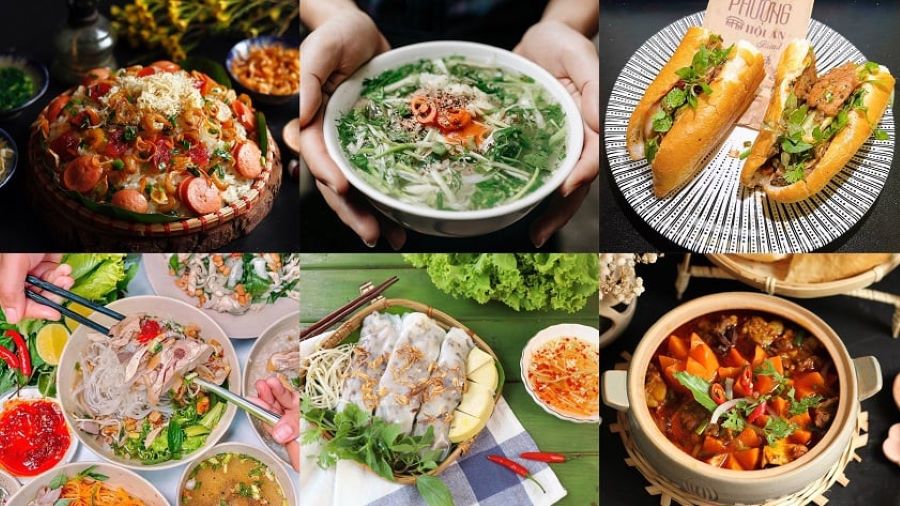
Indochina Cuisine 2025: Vietnam and Thailand are the World’s Top Culinary Destinations
For decades, the culinary world has been captivated by the vibrant, often fiery, flavors of Southeast Asia cuisine
The year 2025 marks a pivotal moment, officially confirming the region’s dominance on the global stage. According to the highly anticipated TasteAtlas 2025 rankings, the Indochina cuisine, specifically Vietnam and Thailand, has secured its position as a powerhouse, transcending travel trends for any foodie. This is not only a contest but also a testament to the depth, diversity, and sheer quality of the food found across these two magnificent nations.
Imagine wandering through the vibrant streets of Hanoi, where the aromatic steam from a bowl of pho bo, or savoring the fiery kick of a Thai phanaeng curry amid the bustling markets of Bangkok. Indochina cuisine, encompassing the rich culinary traditions of Vietnam, Thailand, Laos, and Cambodia, offers an unparalleled journey for the senses. Let’s dive into the Indochina cuisine, with the latest TasteAtlas 2025 rankings to guide you through must-try dishes, iconic cities, and hidden gems. Whether you’re a seasoned traveler or planning your first adventure, these insights will inspire you to embark on a culinary odyssey.

TasteAtlas Awards 25/26: Top 100 cuisines in the world.
TasteAtlas 2025 rankings on Indochina cuisine
TasteAtlas 2025 awards provide a definitive guide to the world’s best cuisines, dishes, desserts, and food cities, derived from authentic user ratings and expert insights. This year’s rankings elevate Indochina cuisine, showcasing its global appeal despite varying positions. Let’s break down the highlights relevant to Vietnam, Thailand, Laos, and Cambodia.
Top 100 cuisine
In the top 100 cuisines, Vietnam secures the 16th spot with a rating of 4.36 / 5, praised for its elegant simplicity and complex flavors. Must-try items include bo nhung dam (4.7), bánh mì (4.6), and cha ca La Vong (4.6). Thailand follows at 24th with 4.29, featuring roti canai (4.6) and phanaeng curry (4.5). Laos, at 96th with 3.94, shines with underrated gems like ping kai (4.4) and sai oua (4.3). Cambodia, though not in the top 100, earns recognition through dishes like fish amok and lok lak, often highlighted in regional awards.
Top 100 best dishes
The top 100 best dishes feature strong Indochina representation. Thailand dominates with phanaeng curry at 30th (4.41), a stew originating in Thailand, iconic at spots like May Veggie Home in Bangkok. Khao soi ranks 31st (4.41), a noodle dish from Thailand, best at Hinlay Curry House in Chiang Mai. Tom kha gai is 44th (4.38), and phat kaphrao 92nd (4.33). Vietnam contributes bun bo Nam Bo at 81st (4.35), a noodle dish from Vietnam, and pho bo at 83rd (4.34), the classic beef noodle soup. No Lao or Cambodian dishes make the global top 100, but regional favorites like Lao larb and Cambodian bok l’hong are celebrated locally.

Khao Soi, the best dish in Thailand.
Top 100 desserts
Desserts see Thailand’s khaonom khrok and khao niao mamuang in the rankings, though specific 2025 positions are limited. Vietnam’s che and Laos’ sweet treats add variety, while Cambodia’s num ansom offers sticky rice delights.
Top 100 food cities
Food cities rankings spotlight Hue (36th, 4.55) with bun bo Hue; Hanoi (47th, 4.49) for pho and bun cha; Ho Chi Minh City (60th, 4.43) for com tam; and Bangkok (62nd, 4.42) for pad Thai and tom yum. These rankings affirm Indochina cuisine’s status as a travel draw, inviting you to trace these flavors on a Paradise Travel’s Indochina tour.
Vietnam cuisine: The art of sophistication and balance
Vietnam’s high ranking reflects a profound appreciation for sophistication, freshness, and balance. The philosophy of Vietnamese cooking is deeply rooted in the concept of Yin and Yang, ensuring that every dish presents a harmonious blend of textures, temperatures, and tastes. The liberal use of fresh herbs, the light touch of oil, and the clarity of the broths make Vietnamese food inherently refreshing and endlessly addictive.
The city phenomenon
Perhaps the most compelling argument for Vietnam’s culinary depth is its exceptional performance in the Best Food Cities in the World list. Unlike the nations that rely on a single culinary metropolis, Vietnam boasted three cities in the Top 60:
| City | TasteAtlas 2025 Rank | Culinary Identity |
| Hue | #36 | Imperial themed, refined cooking, and colorful dishes |
| Hanoi | #47 | Traditional recipes and the soul of street food |
| Ho Chi Minh City | #60 | Modern, diverse, and dynamic fusion |
This collective achievement highlights a strong regional diversity. Hue, the former imperial capital, is the surprise star of the 2025 rankings. Its high placement validates the meticulous care and aesthetic beauty of its imperial cuisine, dishes that are as beautiful to look at as they are to taste. Meanwhile, Hanoi remains the purist’s choice, the definitive home of pho and bun cha, and Ho Chi Minh City offers the vibrant energy of the modern south, blending tradition with endless innovation. Picture yourself on a Vietnam tour, starting in Hanoi with a street food walk, tasting pho under lantern-lit alleys. Move south to Hue for imperial feasts, then Ho Chi Minh for vibrant markets. These experiences not only satiate hunger but connect you to Vietnam’s soul.
Top dishes in Vietnam
While Thai dishes claimed the highest individual spots, Vietnamese classics proved their universal appeal as global comfort foods. Ranking at #81, this refreshing dish actually outranked pho bo. This fascinating detail suggests a growing global appetite for lighter, salad-style noodles that perfectly capture the fresh, herbal-infused essence of Vietnamese summer flavors. Although Pho bo (Beef Noodle Soup) ranked at #83, it is still the ambassador of Vietnamese cuisine. Its lower rank is often attributed to its nature as a daily, nuanced comfort food, rather than a sensational one-off experience designed to shock the palate.

Bun bo Nam Bo – Southern Vietnamese beef noodle salad.
Above these 2 contestants, banh mi, the crusty sandwich fusing French and Vietnamese elements, is a street food staple. Crispy banh xeo in Southern Vietnam offers a crunchy crêpe filled with savory goodness, while cha gio, fried spring rolls, vary regionally (nem ran in the north). Desserts like che (3.6), a sweet soup with jellies and fruits, provide a refreshing end for a day of culinary exploration.
Drink of choices: Vietnamese coffee
Vietnam doesn’t just fuel its people with food; it powers them with caffeine. The Vietnamese iced coffee (ca phe sua da) and Egg coffee (ca phe trung) are consistently rated among the world’s best beverages. This bitter-sweet, creamy, and potent concoction is the required ritual to kickstart any adventure in Vietnam.
Thailand cuisine: Spicy and sweet delights
Thailand’s culinary identity is an explosion of flavor. It is the master of complexity, known for its brilliant ability to weave five core tastes (sweet, sour, salty, bitter, and spicy) into a single, harmonious spoonful. The generous use of coconut milk, fragrant herbs like lemongrass and galangal, and pungent chilies defines the cuisine’s vibrant, unmistakable character.
The star dishes
Thailand dominates the individual dish rankings, proving its capacity for creating global culinary hits that leave an immediate and powerful impression:
| Dish | TasteAtlas 2025 Rank | Flavor profile | Best places to eat |
| Pha Naeng Curry | #30 | Curry dish with thick texture and salty-sweet peanut flavor | May Veggie Home (Bangkok), Cabbages and Condoms Restaurant (Bangkok), Baan Rim Pa Patong (Phuket) |
| Khao Soi | #31 | Northern-style egg noodles, featuring slightly spicy broth which combines coconut milk and red curry paste | Hinlay Curry House (Chiang Mai), Khao Soi Islam (Chiang Mai), Khao Soi Khun Yai (Chiang Mai) |
| Tom Kha Gai | #44 | Slightly sour, creamy, coconut milk soup with chicken shreds | Whole Earth (Chiang Mai), Thanying (Bangkok), We’s Restaurant (Chiang Mai) |
| Phat Kaphrao | #92 | Stir-fried minced meat or seafood served with rice, fried egg, and dipping sauce. | Raan Jay Fai (Bangkok), Ung Jia Huad (Bangkok), Neung 33 (Bangkok) |
This is where Thailand shines. The intensity and depth of a Panang Curry or the layered richness of Khao Soi from Chiang Mai represent the pinnacle of flavor fusion. These are dishes that offer immediate sensory overload in the best possible way, bold, assertive, and addictive.
Bangkok: The streetfood paradise in Thailand
Interestingly, Bangkok ranked #62 among food cities, placing it lower than its three Vietnamese counterparts. For many global travelers, this may come as a surprise, given the city’s legendary reputation. While the rankings may spark debate about TasteAtlas’s scoring criteria, perhaps favoring regional diversity over sheer volume, they certainly do not diminish the capital’s culinary power.

Bangkok night markets, the paradise for streetfood lovers.
Bangkok remains the undisputed global capital of street food. It is a sensory carnival where every corner offers a new, thrilling dish. The city’s low rank is not a sign of poor quality, but rather an invitation to look deeper: past the commercialized tourist spots and into the authentic, bustling heart of its night markets and alleyways. For the traveling foodie, Bangkok is a starting point for a Thailand tour. From the sizzling woks of Chinatown to the local noodle stalls of Sukhumvit, the city offers an unparalleled, 24/7 dining experience that is vibrant, overwhelming, and utterly essential to any Southeast Asian food tour. Bangkok’s street food legacy continues to set the gold standard for global urban gastronomy.
Thailand’s dessert dominance
The Thai culinary journey provides the perfect finishing note, claiming two coveted spots in the World’s Top 100 Desserts ranking, an area where its Vietnamese neighbor is less represented. This sweet dominance is owed to the liberal and expert use of rich coconut milk, tropical fruits, and sticky rice.
Khanom Khrok (coconut pancakes) secures an outstanding rank of #24. These small, crispy-yet-custardy coconut treats are a testament to Thai street-side artistry, blending savory saltiness with sweet creaminess. Meanwhile, Khao Niao Mamuang (mango sticky rice), an essential summer indulgence, ranked #64, combines warm, sweet sticky rice soaked in coconut milk with slices of fresh, ripe mango. This sweet victory confirms that Thailand is the destination for the final, indulgent flourish of any Southeast Asian meal.
Drink of choice: Thai iced tea (cha yen)
After a fiery Thai curry, the perfect companion is the classic Thai iced tea (cha yen). This mixture of strong black tea, spices, and condensed milk is the sweet, creamy coolant necessary to soothe a chili-singed palate—a delicious milder to the chili’s Thai cuisine.
Underrated Laos and Cambodia cuisine waiting to be discovered
While Vietnam and Thailand command the top spots, the true essence of an Indochina food tour lies in discovering the hidden gems of the peninsula. Laos and Cambodia offer a vital counterpoint: cuisines rooted in deep history, tradition, and an unhurried, authentic local experience.
Laos cuisine: Authentic flavors
Although ranked #96, Laos provides the essential, rustic counterpoint. Its food is marked by simplicity, a deep connection to the Mekong River, and an emphasis on community. The soul of Lao cuisine is Khao Niao (sticky rice). Laotians proudly refer to themselves as Luk Khao Niao (Children of Sticky Rice). Unlike the light, fluffy Jasmine rice, sticky rice in Laos is eaten by hand, rolled into a ball, and dipped into various flavorful sauces, known as Jeow.
Dishes like Larb (a spicy, satisfying meat salad) and Tam Mak Hoong (spicy papaya salad) rely on powerful, simple flavors, often shared communally. A travel to Laos offers the most organic, community-focused dining experience in the peninsula, providing an earthy and authentic palate cleanse between the intense flavors of Thailand and the refined tastes of Vietnam.

Larb is the best Lao dish – tangy, spicy, herby, and full of soul.
Cambodia cuisine: Gentle spice dishes
Cambodian cuisine, often overshadowed by its neighbors, is a study in gentle complexity. Historically influenced by both French techniques and the ancient Khmer empire, Cambodian food features less chili and coconut milk than Thai cuisine, prioritizing subtle, layered flavors and fresh ingredients. The undisputed culinary ambassador is Fish Amok, a creamy, mild fish curry steamed in banana leaves. Unlike its fiery Thai counterparts, Amok relies on Kroeung, a complex, non-spicy curry paste made from lemongrass, galangal, turmeric, and lime leaves. This fragrant, aromatic base defines the Cambodian flavor profile.
Exploring Cambodian street food and local markets introduces travelers to unique delicacies like Kuy Teav (a pork broth noodle soup) and the use of fresh Kampot pepper, celebrated globally for its quality. For the discerning foodie, Cambodia represents a fascinating missing link and a cuisine waiting to be fully discovered by the world.
Travel tips for an unforgettable Indochina food tour
Planning an Indochina cuisine adventure? Visit during the dry season in Southeast Asia countries (November to April) for comfortable exploration. Your budget should be around $50-100 daily for meals, focusing on street food for authenticity, but remember to ensure safety with reputable vendors.
For a more immersive experience, our Indochina countries tours include cooking classes, market visits, and tastings.
Itinerary suggestion for an Indochina food tour: To fully appreciate this global culinary excellence, a planned itinerary is essential. Our recommended route is designed as a flavor crescendo, ensuring your palate is neither overwhelmed nor fatigued. You will travel from the light and complex to the earthy and bold. Fly into Hanoi or Bangkok, then use trains, buses, or Mekong cruises. Opt for a 10-14 day tours: Start in Vietnam (Hanoi to Ho Chi Minh), cross to Cambodia (Siem Reap), Laos (Luang Prabang), and end in Thailand (Bangkok to Chiang Mai).
Embark on your Indochina cuisine journey today
The TasteAtlas 2025 rankings confirm what travelers have always known. Indochina is not just a destination but also a global culinary destination. The statistics validate the extraordinary depth of Vietnam’s regional offerings and the international appeal of Thailand’s signature flavors. These rankings not only celebrate flavors but inspire travel, connecting you to cultures through every bite. If you are craving the delicate balance of a bowl of pho in Hanoi Old Quarter or the bold explosion of a Panang Curry in a Bangkok market, the ultimate taste adventure is waiting. Join us and become part of the flavor story. The world’s best cuisine is ready for you.
Frequently Asked Questions
7. Beyond the main dishes, what unique beverages or desserts should I look for in Laos and Cambodia?
In Cambodia, look for Num Chak Kachan, a coconut milk and tapioca dessert. Both countries offer excellent beer, like Beerlao and Angkor Beer, which are perfect companions to the heat.

Start planning your tailor-made Vietnam tour by contacting one of our specialists…