

Why visit Hoi An: Discover the Historic Ancient Town in Vietnam
Hoi An, a UNESCO World Heritage site in central Vietnam, enchants visitors with its well-preserved ancient architecture, mesmerizing lantern streets and peaceful riverside atmosphere
Why visit Hoi An? This picturesque town along the Thu Bon River offers a captivating blend of historical elegance, cultural vibrancy, and natural serenity that transports travelers to a timeless era of Vietnamese heritage. Yet, beyond this historical beauty, Hoi An is full of hidden treasures to discover. From stunning beaches to peaceful villages, ancient temples to unique culinary experiences, this city is a rich and diverse destination.
Join us to discover the reasons why you must come to Hoi An during your Vietnam tours.
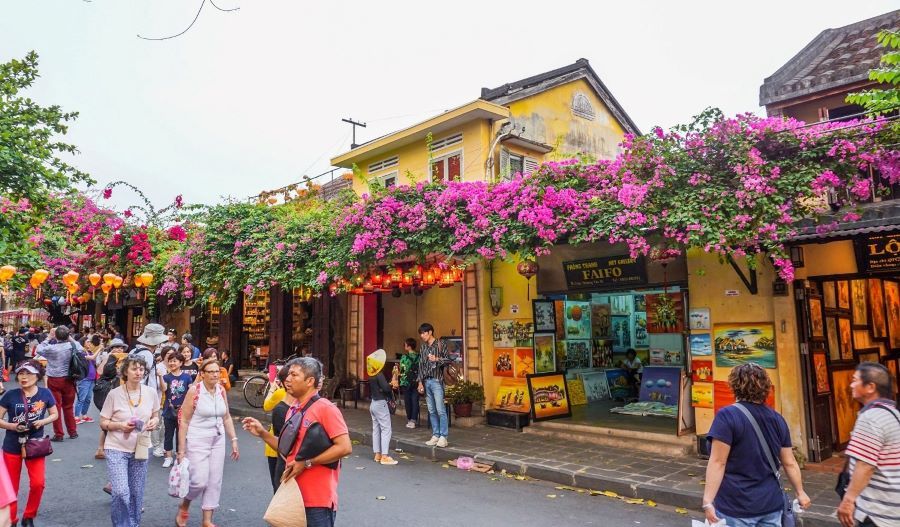
Hoi An Ancient Town
Well-preserved ancient architecture
One of the most compelling reasons why visit Hoi An is its extremely well-preserved cultural and architectural heritage. Hoi An is the UNESCO-recognized treasure that transports you to Vietnam’s golden age of trade with its blend of Vietnamese, Chinese, Japanese, and European influences. The Ancient Town features over 1,000 historic buildings since the 15th century, along narrow streets, where yellow-painted shophouses with tiled roofs and wooden balconies evoke a timeless charm. Iconic structures like the Japanese Covered Bridge, built in 1593 with a pagoda at its center, symbolize cultural fusion: its dog and monkey statues represent the years of construction, while intricate carvings depict legends of protection.
Assembly halls like Phuc Kien, dedicated to Chinese merchants, dazzle with ornate gates, dragon motifs, and incense coils hanging from ceilings, serving as community centers for festivals and prayers. Tan Ky House, a 200-year-old merchant home, offers tours through its preserved interiors with Japanese beams, Chinese poems, and Vietnamese carvings, highlighting the port’s multicultural past. This architecture not only survived wars and time but reflects Hoi An’s role as a Silk Road hub, where merchants exchanged goods. Exploring by foot or bicycle allows intimate appreciation, with guided tours revealing hidden details like flood-resistant designs.

Japanese Covered Bridge in Hoi An.
Peaceful riverside atmosphere
Hoi An’s peaceful riverside atmosphere is another reason why visit Hoi An. The gentle flow of the Thu Bon River creates a serene backdrop for relaxation and reflection, offering a tranquil escape from the bustling Ancient Town. The river, winding through the heart of Hoi An, has been the life’s blood of this trading port for centuries, and now providing a calm waterway for leisurely cruises. At dusk, the water reflects the glowing lanterns from riverside cafes and historic buildings, creates a romantic ambiance. This riverside setting also connects you to Hoi An’s maritime history, as you pass fishing villages where locals cast nets at dawn, preserving ancient traditions.
The peaceful vibe extends to riverside dining, where open-air restaurants serve fresh seafood like grilled prawns with views of passing boats, blending culinary delights with the calming sound of water. This atmosphere fosters mindfulness, making Hoi An an ideal spot for digital detox or honeymoon in Vietnam.
Pristine nearby beaches
In addition to its historical and cultural values, Hoi An also boasts beautiful beaches such as Cua Dai and An Bang, offering golden sands and clear waters just 5km from the Ancient Town for easy day trips or extended stays. An Bang Beach, with its soft white sands and gentle waves, provides a laid-back vibe with beach chairs, umbrellas, and fresh coconut vendors—ideal for swimming or sunbathing amid palm groves. Cua Dai Beach, though affected by erosion, retains charm with seafood shacks serving grilled prawns and cold beers overlooking the sea.

Cua Dai beach in Hoi An.
These beaches remain clean through community efforts, with eco-resorts promoting no-plastic policies. For adventure, rent kayaks to explore offshore islands or try kitesurfing in steady winds. The proximity to town allows blending cultural days with beach relaxation. Sunsets here paint the horizon in oranges, creating romantic backdrops for a seaside dinner.
Unique cuisine
Hoi An’s unique local cuisine is a savory reason why visit. Its fresh ingredients, subtle flavors, and multicultural influences creates dishes found nowhere else in Vietnam. The star is Cao Lau, a chewy noodle dish in savory broth with pork, herbs, and croutons, using water from ancient well for authenticity. Another must-try is the banh bao – banh vac, delicate shrimp-filled dumplings shaped like blooming roses, steamed to perfection and drizzled with a sweet-savory fish sauce. Mi Quang, a vibrant noodle dish with turmeric-tinted rice noodles in a shallow broth of shrimp, pork, quail eggs, peanuts, and fresh greens, offers a dry-style alternative to pho. For a crispy delight, banh xeo, golden pancakes stuffed with shrimp, pork, bean sprouts, and herbs, dipped in a sweet-spicy sauce, providing a satisfying contrast.

Cao Lau, a true culinary treasure in Hoi An.
Beyond these icons, the town’s cuisine shines in street food like com ga (chicken rice cooked in broth with ginger and onions, topped with pickled veggies) or banh beo (small steamed rice cakes crowned with dried shrimp, scallions, and crispy pork rind). Sweet endings come from che, colorful Vietnamese desserts with beans, jelly, fruits, and coconut milk in flavors like corn or taro, refreshing after a hot day. Markets and cooking classes elevate the experience. Join a class during a Hoi An tour to shop for holy basil or fermented shrimp paste at the Central Market, then learn to balance flavors in a countryside kitchen. This culinary uniqueness not only tantalizes but tells stories of multicultural fusion, making meals memorable cultural journeys.
Mesmerizing lantern festival
Hoi An’s mesmerizing Lantern Festival transforms the Ancient Town into a fairy-tale realm on the 14th lunar day each month, where thousands of colorful lanterns illuminate streets and the Thu Bon River. This full-moon celebration, rooted in Vietnamese traditions to honor ancestors and wish for prosperity, sees locals and visitors releasing floating lanterns (small baskets with candles) onto the river, symbolizing the release of worries and hopes for good fortune. The sight of hundreds of lights bobbing on the water, reflecting off yellow buildings and bridges, creates a romantic, ethereal atmosphere that’s both spiritual and festive.
During the festival, the town turns off electric lights, relying solely on lantern glow, enhancing the magic as street performers play traditional music and dancers in ao dai twirl under the moon. Markets buzz with vendors selling handmade lanterns in shapes like lotuses or dragons, while riverside cafes offer special mooncakes and tea. Joining a lantern-making workshop adds interactivity, where you craft your own from bamboo and silk while learning symbolic colors.
Vibrant markets and shophouses
Hoi An’s vibrant night markets and shophouses are an exciting reason why visit Hoi An. The Ancient Town is a bustling bazaar under a canopy of colorful lanterns that creates a magical atmosphere for bargain-hunting and cultural immersion. The Hoi An Night Market, stretching along Nguyen Hoang Street by the river, comes alive at dusk with over 100 stalls selling handmade lanterns in shapes like lotuses or dragons, embroidered silk scarves, leather bags crafted from local hides, and intricate jewelry inspired by Cham designs. All are at prices that encourage joyful haggling, often starting at $5 for small items. This market not only offers souvenirs but pulses with energy as street performers juggle fire or play traditional instruments, while the scent of grilled corn and sugarcane juice wafts through the air, drawing you into the lively crowd.

A souvenir shop in Hoi An.
The town’s boutiques and shophouses, many in restored heritage buildings with wooden facades and open fronts, specialize in unique crafts like bespoke ceramics from Thanh Ha village or hand-painted silk fans, where artisans demonstrate techniques passed down generations. Reaching Out, a social enterprise boutique, sells exquisite jewelry and homeware made by disabled craftsmen, blending shopping with meaningful support for local communities. These venues extend the vibrant energy into quieter alleys, where you can sip Vietnamese coffee while browsing, fostering a sense of discovery. This shopping paradise reflects Hoi An’s trading history, where merchants once bartered spices and fabrics, now evolved into a haven for artisan.
Buzzing nightlife
Hoi An’s buzzing nightlife, with lively bars and captivating cultural shows, offering a vibrant after-dark scene that blends relaxed riverside vibes with immersive performances for memorable evenings. The town’s bars, clustered along the Thu Bon River and in the Ancient Town’s alleys, range from cozy spots like The Deck House with craft cocktails overlooking lantern reflections to trendy lounges like Mango Mango serving fusion drinks with live acoustic music. These venues come alive at night with happy hours featuring local beers or creative mixes using fresh fruits and herbs, creating a social atmosphere. For a more upscale experience, Q Bar offers rooftop views with signature martinis, while dive bars like Dive Bar provide laid-back pool tables and rock tunes for casual fun.
Cultural shows like “Hoi An Memories,” a spectacular outdoor performance on Hoi An Impression Theme Park’s stage, recreates the town’s history through dance, music, and lights with over 500 performers in colorful costumes depicting trading eras and legends. This 60-minute show, held nightly, uses massive sets and pyrotechnics to bring Cham dances and Vietnamese folklore to life, providing an entertaining way to absorb Hoi An’s heritage. Traditional water puppet shows at smaller theaters or Apsara dance performances at riverside restaurants blends Khmer influences with Vietnamese twists for graceful storytelling through gestures and music. During festivals, the streets host free performances, turning the town into an open-air theater. This nightlife not only entertains but connects you to Hoi An’s artistic soul, making evenings as enriching as days.

Hoi An Memories, a must see cultural show in Hoi An.
Tips for visiting Hoi An
Best time to visit Hoi An
Hoi An’s climate, blending the climates of the South and the North, offers distinct rainy and dry seasons. The first three months of the year are ideal for visiting Hoi An, with cool and sunny weather. From April to June, it’s the peak tourist season, with dry and pleasant weather. July continues the dry season, while August and September mark the transition with sporadic rains and cool nights. The last three months of the year bring the rainy season, with heavy downpours and flood risks.
Must-visit destinations in Hoi An
Hoi An Ancient Town
With more than 2000 years of history, Hoi An’s old town reflects the influences of Japanese, Chinese, and European cultures from the 17th to the 19th century. A 24-hour entrance ticket allows visitors to explore iconic sites like the Japanese Bridge, Phuc Kien and Quang Trieu assembly halls, and ancient houses. Street art activities and night markets add to the allure of the old town, particularly lively from 6 pm to 10 pm.
Nearby beaches
Hoi An’s beaches, such as An Bang, ranked among the world’s 50 most beautiful beaches by CNN in 2011, and Ha My, recognized by the Telegraph in 2017, offer clear waters and peaceful landscapes. Cua Dai, another famous beach, was ranked among Asia’s 25 most beautiful beaches by TripAdvisor in 2013.
Cu Lao Cham

Cu Lao Cham, a pristine archipelago located very close to Hoi An.
Cu Lao Cham, an archipelago located 15 km from Hoi An, is recognized as a UNESCO World Biosphere Reserve. Visitors can reach it by canoe or wooden boat and enjoy biodiversity, pristine beaches, and activities like scuba diving and fishing.
Craft villages
Hoi An is home to several craft villages, such as Tra Que vegetable village, Thanh Ha pottery village, Kim Bong carpentry village, and Phuoc Kieu bronze casting village. These villages offer insight into traditional crafts and allow visitors to participate in craft activities.
Bay Mau coconut forest
The Bay Mau coconut forest, located 3 km from the old town, offers basket boat rides and boat dance performances. Visitors can also make coconut leaf toys and enjoy fresh coconuts.
Cultural Events in Hoi An
Hoi An Memories
This outdoor art performance, involving more than 500 actors, tells the story of Hoi An through five acts. Visitors can also explore the Hoi An Impression Park before the show, scheduled from 8 pm to 9 pm (except Tuesdays).
Lantern festival
Every 14th day of the lunar calendar, Hoi An’s streets are illuminated with thousands of lanterns. Visitors can participate in traditional activities and watch artistic performances from 5 pm to 10 pm.
Read more: Travel Tips and Things to Do at Hoi An Lantern Festival

Colorful lanterns glow, drawing joyful crowds into Hoi An’s magic.
Must-try dishes in Hoi An
Cao Lau
Cao lau is an iconic dish of Hoi An, featuring thick and tender noodles, shrimp, pork, vegetables, and a special sauce. Thanh, Lien, and Hoi An Ba Be restaurants are recommended for tasting this dish.
Quang noodles
Quang noodles, a traditional dish of Central Vietnam, are served with meat, shrimp, vegetables, and hard-boiled eggs. Mi Quang Ong Hai, Mi Quang Di Hat, and Mi Quang Ba Minh Hoi An are popular choices for this dish.
Chicken Rice
Hoi An’s chicken rice, with its fragrant rice and golden chicken, is a must-try culinary experience. Com ga Ba Buoi, Com ga xi Hoi An, and Com ga Ba Thuan are recommended restaurants.
Che
Visitors can try che with lotus seeds, red beans, corn, or black sesame. Che Ba Muoi, Che Co Sau, and Che me den Ong Thieu offer a variety of these desserts.
Rice noodles with grilled meat
Rice noodles with grilled meat, accompanied by fresh vegetables and sauce, are a Hoi An specialty. Bun thit nuong Co Bay, Ty Ty, and the restaurant at 01 Hoang Van Thu are popular places to enjoy this dish.
Plan your adventure in Hoi An with Paradise Travel
Why visit Hoi An? This charming ancient town of Vietnam enchants with its well-preserved architecture, lantern festival illuminating streets, peaceful riverside atmosphere and buzzing nightlife. From commissioning bespoke dresses in bustling tailor shops to releasing floating lanterns during festivals or savoring coffee by the river, Hoi An offers a journey that blends history with romance, inviting you to discover central Vietnam’s essence. As a preserved heritage site, without losing its authentic soul, makes it ideal for those seeking balanced experiences, tranquil days and magical nights.
Contact us to plan a travel to Central Vietnam with Hoi An, to feel the harmony between past and present, between natural beauty and unique cultural values.
Start planning your tailor-made Southeast Asia tour by contacting one of our specialists…


